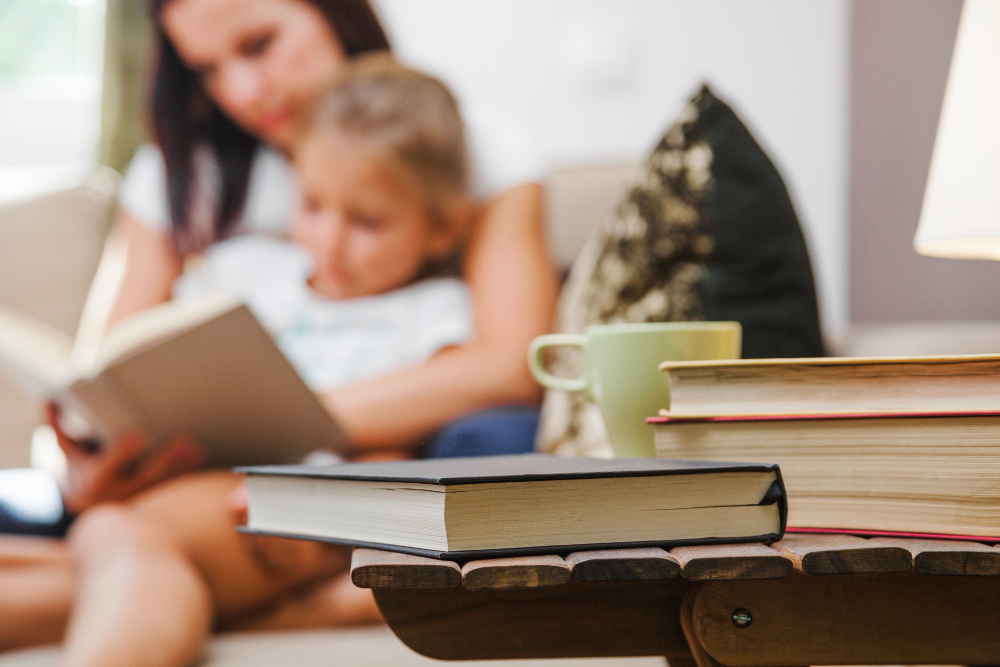
What is a living book? Discover why living books can make learning more memorable and meaningful than textbooks, with a South African homeschooling perspective.
Have you ever observed how a well-written story can captivate a young reader or listener? It may begin with a hook and suddenly a child will want to know everything. Who was this person? Where did he live? What did he see? What happened next? Why did he make that decision?
That is the magic of a living book.
Living Books versus Twaddle
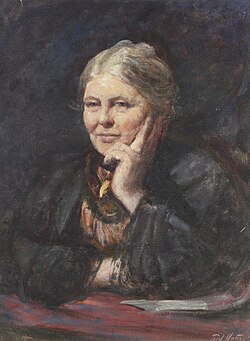
Charlotte Mason, the British educator whose ideas have had a significant influence on modern homeschooling, used these terms to describe two very different kinds of reading material used for educational purposes. A useful way to think about the distinction is that living books nourish the mind, while twaddle is the literary equivalent of junk food that fills it with empty calories.
The difference is not simply whether a book is fiction or non-fiction, nor is it about whether a book contains useful information. It is about the way that information and ideas reach the child.
What Makes a Book “Living”?
A living book is generally written by someone who has a genuine understanding of, or enthusiasm for their subject. You can sense the author’s authentic interest in what they are writing about, whether they are telling a story, writing a biography or explaining something in a non-fiction book.
Instead of presenting a collection of facts for the child to memorise, a living book draws the reader into the subject. We see a place through the eyes of a character, experience an historical event through the people who lived through it or discover a scientific idea through an author’s own fascination with the natural world.
The subject begins to come alive.
This is why a living book can be fiction or non-fiction. It might be a beautifully written story, a biography, an autobiography, a travel account or a reference book written by someone who truly knows and loves the subject. Some of the most fascinating living books are first-hand accounts: a diary written by someone who was actually there, a letter written during an historical event, the memoir of an explorer or the recollections of someone who lived through a particular period.
The important thing is that the child is encountering real ideas presented by a real mind, rather than simply being fed tidbits of information.
A Living Book Has a Unique, Authentic Voice
One of the things that makes a living book different from a collection of educational facts is the presence of the author.
A historian who loves history writes differently from a committee producing a curriculum textbook. A naturalist who has spent years observing penguins writes differently from an educator compiling a list of penguin facts. Someone who witnessed a disaster writes differently from someone reporting it many years later.
The author’s personality, experience and enthusiasm come through in the writing. The child is not simply being given information. They are encountering the subject through another person’s mind.
This is particularly important with non-fiction. A living book does not have to turn everything into a fictional story. A good author can make science, geography, history, art or technology fascinating simply because they understand the subject deeply and have something worthwhile to say about it.
A living book is not simply information presented attractively. It is a meeting between the child’s mind and another person’s ideas.
So, What is “Twaddle”?
Twaddle is more challenging to define precisely because Charlotte Mason was not simply talking about books that were badly written.
She was particularly concerned about material that patronises children by giving them shallow, watered-down ideas in an attempt to make learning “easy”. Twaddle might be full of little snippets of information, simplified explanations and cheerful language, yet leave the child with very little to think about.
Some educational material is written primarily to fulfil a particular purpose: cover a specific topic, teach a set of facts or prepare students for a test. It can therefore seem impersonal and lifeless, even when the information itself is accurate.
That is the kind of material Charlotte Mason regarded as twaddle.
It’s not that children should never encounter simple books or factual material. The problem is assuming that children need everything simplified, shortened and spoon-fed to them.
Children deserve better than dumbed-down ideas simply because they are children.
Living Books Feed the Mind
A living book respects a children’s capacity for complexity and gives them something to think about.
It may make them laugh, surprise them, upset them, excite them or leave them wondering about something long after the book has been put down. It may change the way they see a person, a place or an idea. Most importantly, reading a living book often leads somewhere further. A story leads to a question. The question leads to a map, a conversation, an experiment or perhaps a completely unexpected rabbit trail. That is how a child’s knowledge begins to grow organically.
A child who reads a fascinating story about an explorer may suddenly want to know where that person travelled or if you read about an inventor, your child may start wondering how the invention worked. A reader who encounters an historical event through the eyes of a fictional character may want to check the facts to know what really happened and what other people involved in the event thought about it.
Living books open doors.
A Living Book isn’t Just Entertaining
It is important to understand that a living book does not simply mean an entertaining book. Some books can keep a child amused for twenty minutes and leave little of value. A living book may be funny and exciting, but it may also be sad, challenging or even uncomfortable. Some living books deal with difficult subjects. Others may move slowly because they require the reader to concentrate and think.
What matters is that living books deliver something worth knowing and something worth thinking about.
A living book may leave a question, an image, an idea or a person living in the child’s mind for years. It doesn’t have to turn every subject into an adventure story but it leaves a lasting impression. That is why “interesting” and “living” are not quite the same thing. We are not simply looking for books that keep children entertained. We are looking for books that stimulate their minds.
What Does Twaddle Look Like?
Twaddle tends to do the opposite.
It may be written in a condescending style, with the assumption that children cannot cope with complexity. It may consist of disconnected facts or carefully simplified explanations that leave little room for thought. The facts might be presented as “objective”, when in fact there are other perspectives.
It can be technically correct while still being remarkably uninteresting. That’s probably why the facts learned are often soon forgotten. The child reads the page, answers the question and moves on, with very little curiosity sparked and very little connection made.
That is the real test for us. We don’t ask whether a book contains information. We ask what is likely to happen to the child’s mind when they encounter it.
- Will the reader want to know more?
- Does the book raise questions?
- Does it give the child something to remember?
- Does it introduce an idea that stays with them?
- Will it make them see something differently?
If the answer to all of these is “No”, we have to wonder whether the book is doing much more than delivering information.
Living Books Connect Ideas
One reason living books are so different from collections of facts is that stories capture children’s attention in a way that gives ideas time to take root. A good story lingers with the readers, giving them something to think about, revisit and make connections with long after the reading has ended. In this way, stories do more than communicate knowledge; they help children understand people and the world, see different perspectives and build connections with one another.
Instead of encountering an isolated paragraph about an explorer they can follow that person’s journey. Instead of reading three sentences about an ecosystem, they can spend time with an animal living within it. Instead of memorising a definition of an historical event, they can encounter the people whose lives were shaped by it. Within living books, knowledge is connected rather than fragmented. One thing leads naturally to another and the child has time to form a mental picture of the people, places and ideas they are encountering.
As we explained in our article, Six Reasons Stories are Better than Textbooks: “You remember something because you have ‘lived’ it through the story. The information becomes integrally connected to the ‘scaffold’ of information about the world that already exists in your brain.“
This form of simulation learning that builds connections in the brain is one reason we are so careful about the books we choose for Footprints. We don’t want children simply moving from one isolated fact to the next. We want them to linger with ideas long enough for those ideas to become part of what they know.
Living Books Empower Children to Think for Themselves
A living book does not need to be followed by ten questions designed to check whether the child can find the correct sentence in the text.
Once a child has encountered a living idea, we want to know what they noticed, what they remember and what connections they have made. Asking a child to explain what happened, describe what they learned or tell you about the person they have just encountered requires them to process the knowledge for themselves.
This is where narration becomes so valuable. Instead of simply recognising the correct answer on a worksheet, the children have to think about what they have read and put it into their own words.
Children are not simply receiving knowledge, they are making it their own.
One of our Footprints customers, Wendy Botha confirmed exactly that: “Our boys have a natural love for history and this curriculum absolutely speaks to them. Long after we have finished a story, a conversation often spontaneously starts going back to something in one of the stories. I can see that the cogs are turning and they’re thinking!”
Living Books versus Textbooks
This is where the distinction between living books and textbooks becomes significant. A textbook is generally designed to deliver information efficiently. It has to cover prescribed content, introduce terminology, explain concepts and often prepare children for some form of assessment. That can be useful, particularly as children get older and need reference material, precise explanations or a systematic overview of a subject, but a living book has a different purpose. As we’ve said previously, it gives the child something to think about.
A textbook might tell you that a particular political decision was made or a historical law was passed, explain when it happened and list its consequences, but a living book would introduce you to a family whose lives were dramatically changed by that law.
Both can contain accurate information. The difference is that one gives you information about an event, while the other can help you understand what that event meant to the people who lived through it.
That human connection is what makes knowledge memorable.
A textbook tells you what to know. A living book gives you a simulated learning experience that prompts a much deeper understanding.
Here’s another example: a textbook might tell you that gold was discovered on the Witwatersrand, explain when the discovery took place and describe how the discovery led to the growth of Johannesburg and changed the South African economy.
In addition to learning this information, one of the living books in our Footprints programmes introduces you to a girl caught up in the Gold Rush, arriving in a dusty mining town where thousands of people have suddenly gathered in search of their fortune. Through the story, you experience the excitement and uncertainty of the discovery, the hard work and dangers of digging for gold, the rapid growth of the town and the enormous differences between the people who found wealth and those who did not.
Both contain accurate information. The difference is that one gives you information about the Gold Rush, while the other allows you and your children to imagine what it might have been like to actually live through it.
The Gold Rush is no longer just something that happened in a history book. It becomes a story about people, ambition, opportunity and the consequences of sudden wealth.
That is the kind of understanding we are looking for when we choose living books.
Science also Comes Alive through Living Books
Science can easily become a collection of facts to memorise: the names of plants, the characteristics of different habitats, food chains, adaptations and the names of animals. A child can learn all of these things from a textbook, answer questions about them and still have very little sense of how fascinating the natural world actually is.
Imagine, instead, that a child meets a meerkat family living in the Little Karoo.
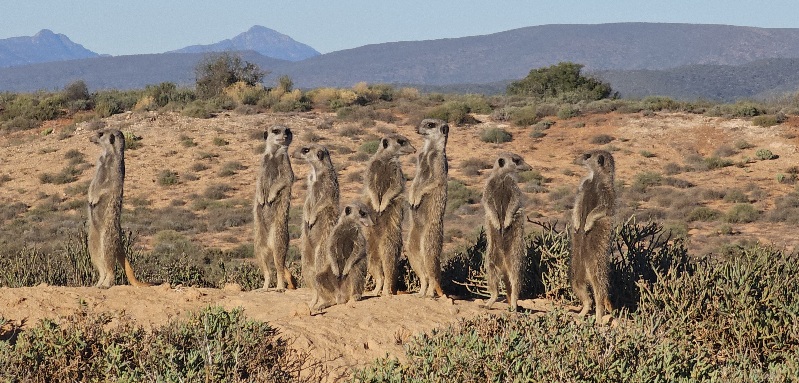
Through the story of this one small animal, the child begins to explore its home amongst the Little Karoo, surrounded by an extraordinary variety of indigenous plants, insects, birds, reptiles and other animals. As the story unfolds, the child begins to wonder about questions like these: Where does it sleep? What does it eat? How does it find food amongst the vegetation? What dangers does it face? How does its body help it survive? What happens when the seasons change?
Suddenly, children are no longer simply learning the definition of a habitat. They are following an animal through its habitat and discovering why everything around it matters.
The story opens the door to botany, ecology, animal behaviour, food chains, adaptation and conservation without the children ever feeling that they are simply memorising a list of science facts.
This is one of the reasons we love using stories in Footprints. A living book gives children something to care about before asking them to remember what they have learned. Once they have become interested in the meerkat, they naturally want to know more about the world in which it lives, and science begins to feel less like a school subject and more like the fascinating discovery of a world that is already there waiting to be explored.
For older children, the same principle applies to biographies and first-hand accounts. Reading about someone who actually discovered, invented, explored or experienced something gives children access to more than the bare facts. They begin to encounter the subject through another person’s lived experience.
Living Books Connect Children with Great Minds
One of Charlotte Mason’s broader educational aims was to give children access to the minds of people who had something worthwhile to offer.
When you read books by Sir Percy Fitzpatrick, Dalene Matthee, Kobie Kruger, Nelson Mandela, Alan Paton, F.A Venter or The Diary of Iris Vaughan, you are not merely learning about that person.
You are encountering someone’s thinking and their observations and you may agree with their perspectives or not! Living books don’t just present facts. They immerse children in other times and places, where they can experience the social, economic and political issues of that milieu.
We want children to explore ideas that are challenging, wrestle with them and gradually form their own understanding. What were the attitudes towards children, women, slaves, other tribes, other cultures, government officials, religious leaders, the rich and the poor in that place and at that time?
A living book can introduce a child to a wealth of ideas they may never have encountered otherwise. It can make them curious about something they had never thought about before.
It can even change them.
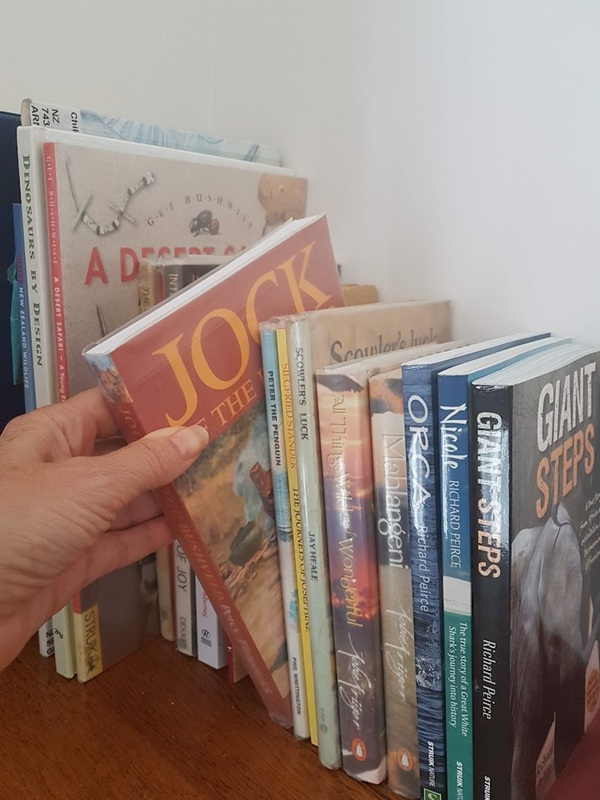
Sarah Mackenzie, author of The Read Aloud Family expressed this concept beautifully:
“A childhood filled with stories that inspire and nurture the heartbeat of a hero within us is one of the simplest ways we can love and prepare children. By doing so, we help them understand that the call to be a hero is the call to fully live God’s vision for their life. We read in the hope that our children will feel the heartbeat of a hero thrumming within them and look to the heavens and ask, “What great thing have I been created to accomplish?”
By reading aloud with them, we help our kids understand that life will be difficult, perhaps more difficult than they can yet imagine, but that they – just like the heroes in the tales from their childhood – are capable of facing unimaginable hardship with heroic virtue.
Story by story, they slowly realise that, inside each of us, dwells a hero.”
What Do We Look for in a Living Book?
There is no magic checklist that makes a book living, yet there are some qualities we tend to look for when choosing books for Footprints.
Living books tend to:
- engage rather than lecture
- communicate the author’s genuine interest in the subject
- give children ideas rather than simply facts
- make a subject vivid and memorable
- introduce children to interesting people and different perspectives
- stir curiosity and encourage further questions
- use rich, natural language
- give children something to imagine, discuss and remember
- leave the child thinking about the subject after the book is closed
- help connect one area of knowledge with another
- give children enough depth to stay with an idea
- include beautiful illustrations if they are picture books
Twaddle tends to do the opposite. It often simplifies rather than enriches, tells rather than engages and gives children information without giving them much to think about.
The distinction is not always clear cut. A book can contain some excellent material alongside passages that feel rather lifeless, while a book written for children can be simple without being twaddle.
The question we keep coming back to is much more useful than trying to label every book.
Does this book make the child’s mind hungry for more?
The Best Books Become Old Friends
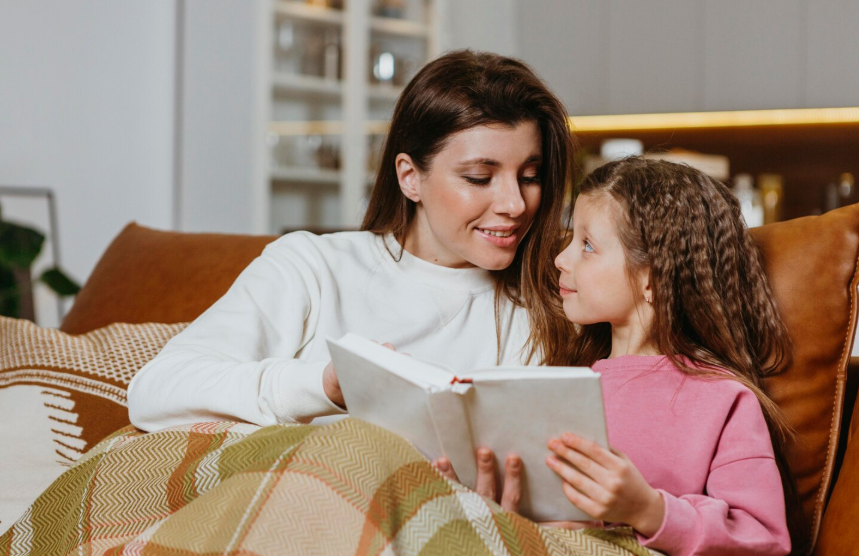
There are books that children remember for years. Sometimes they remember the story. Sometimes they remember a character. Sometimes they remember where they were sitting when you read it aloud. They may remember your voice, your tears, the couch where they were cuddled up or the afternoon when everyone stopped reading because they were too interested in discussing what had just happened.
Years later, those books can become part of the shared history of a family. That is something a textbook seldom achieves. A textbook is generally something we use. A living book can become something we love.
Once you have experienced the difference, it becomes difficult to go back to an education made up almost entirely of lifeless facts and textbook summaries. The goal of education is not simply to fill a child’s head with information. It is to give them a lifelong appetite for knowing.
Why Living Books are at the Heart of Footprints
We have deliberately made engaging stories an important part of learning in Footprints, because we want children to remember what they learn rather than simply complete another lesson.
In one of the Footprints stories, we read about a 17th-century Khoe child seeing a European sailing ship for the first time. The author paints a picture of this African child seeing that enormous “white bird” arriving from the sea and watching as pale-skinned men row ashore. Then the strangers do the unthinkable: they help themselves to water from a stream belonging to the local tribe without asking permission from the chief. Now we, the readers, begin to understand how completely different people’s assumptions about ownership and resources were and it gives us a deeper understanding of historical incidents that followed.
As this example shows, living books give children something that a list of historical facts cannot. They provide a context and they stir emotions and this is what makes the lessons unforgettable!
“We have all been enriched by Footprints. I have learnt with the kids and we have enjoyed all the books immensely. Even Andrew, our 5-year-old has enjoyed them and he loved hearing about the“whopper” and The Big Hole at Kimberley. It has been a special experience; the heroes and heroines and families have become our friends; we identified very strongly with many of them.” ~ Pam, Sedgefield
That is the difference between learning about history and beginning to understand it. Good books do not simply make lessons more enjoyable. They change the way children encounter knowledge. When we review and select books for Footprints, we don’t simply ask whether a book covers the information we need. We ask whether it is alive. Is it emotionally engaging? Does it present challenging perspectives? Will it give children ideas to ponder?
As you journey through South Africa alongside the characters in the stories and create your own shared memories and experiences in the present, we want you and your children to discover the hero within each of you. Like the heroes in the stories, who faced challenges and overcame them, we want you too to lift your eyes to the heavens and wonder, “What great thing was I created to accomplish?”
Living books inspire us.
More about Charlotte Mason Homeschooling in South Africa
Charlotte Mason Homeschooling in South Africa
Homeschool Notebooking: An Alternative to Workbooks
Charlotte Mason Homeschooling vs Traditional Schooling and CAPS
Narration
The Benefits of Literature-based Learning
Gentle yet Academically Rigorous: A Return to High-Quality, Personalised Education
6 Reasons Stories are Better than Textbooks
Homeschooling Multiple Ages: How to Make Multilevel Homeschooling Work