
Have you ever noticed how the more “modern” education becomes, the more children seem to lose their spark? It’s almost ironic. We’re surrounded by flashy apps, bite‑sized worksheets and quick‑fix learning hacks… yet so many kids are bored, overwhelmed or simply not retaining anything meaningful.
Here’s the intriguing part: neuroscientists and educational researchers are now confirming what Charlotte Mason taught over a century ago. The timeless practices she championed such as living books, nature study, short lessons, habit training and a generous feast of ideas are proving to be more effective than the “dumbed‑down” educational shortcuts that have crept into both schools and homeschooling today.
It’s almost as if modern science is finally catching up to old wisdom.
Who is Charlotte Mason?
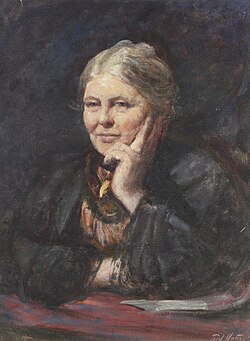
Charlotte Mason was a British educator from the late 1800s whose ideas are astonishingly relevant to modern homeschooling families. Charlotte wasn’t just a teacher; she was a visionary who believed children are “born persons” — whole, capable, curious individuals and that education should nourish their minds, hearts and character. Her methods were gentle yet rigorous, structured yet freeing and respectful of how children naturally learn.
She abhorred “the feeble, much-diluted stuff that is too often put into children’s hands”. Yes, even in her day, there was twaddle and other ineffective educational practices that have perpetuated ever since!
Recent studies on attention, engagement, memory and motivation show that children thrive with the elements she promoted:
1. rich literature
2. short lessons
3. meaningful real‑world experiences and
4. time outdoors — exactly the principles she championed.
Brain imaging and scientific research support her time-tested methods.
Let’s explore how modern research is validating Charlotte Mason’s approach and why many contemporary educational trends fall short.
1. Living Books Activate the Brain’s Deep Learning Systems
What are Living Books?
Living books are the opposite of dry, lifeless textbooks. They’re written by authors who love their subject and tell it in a way that sparks curiosity, imagination and real connection. Sometimes they are biographies, sometimes they are fiction that is based on facts. Sometimes they are just beautiful stories that are profoundly meaningful. Instead of bullet‑point facts and snippets of information typically found in textbooks, living books immerse you in the context of the story and make it come alive. They offer rich language, beautiful ideas and stories that stay with your children long after the lesson ends.
A living book feels like sitting down with a passionate storyteller — someone who makes history become colourful and even controversial, someone who helps you see nature with new eyes, or who draws you into a world so vivid you forget you’re “doing school.” These books feed the mind and the heart at the same time, which is exactly why Charlotte Mason valued them so highly.
What Brain Imaging Studies Reveal about Stories
Modern brain imaging studies (fMRI and PET scans) reveal something extraordinary: stories activate far more of the brain than informational text. When a child listens to or reads a story, the brain behaves as though it’s living the experience. The language centres light up, of course, but so do the sensory and motor regions. These are the parts of the brain responsible for seeing, hearing, touching and movement. Emotional centres engage and the hippocampus, the gateway to long‑term memory, becomes highly active.
This is why children remember stories so vividly. The brain treats them as lived experience.
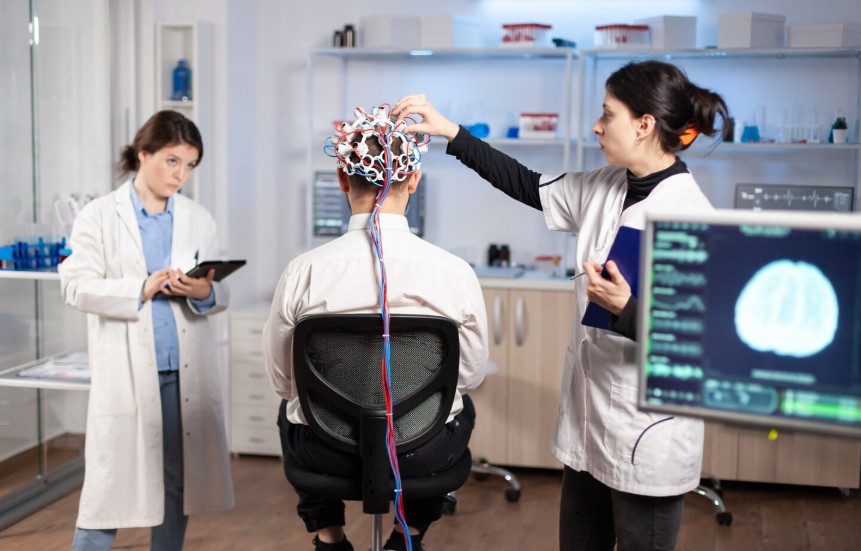
Even more fascinating is what happens chemically. Rich stories trigger a cascade of learning‑enhancing hormones:
- dopamine for motivation
- oxytocin for emotional connection
- serotonin for mood stability and
- cortisol in just the right dose to sharpen attention.
These hormones strengthen neural pathways, making learning deeper and more lasting.
Charlotte Mason didn’t have access to brain scans, yet she understood that children thrive on living ideas, not dry facts. Modern neuroscience confirms she was right.
2. The Science Behind Short Lessons
Charlotte Mason’s insistence on short lessons wasn’t a quaint Victorian preference. It was a stroke of brilliance that aligns perfectly with cognitive science. Researchers now know that children’s attention works in focused bursts. After about 20–30 minutes, the brain’s efficiency drops, fatigue rises and retention plummets.
Short lessons protect the brain’s ability to encode memory. They prevent cognitive overload, reduce stress hormones and keep learning fresh. When children switch subjects frequently, they stay alert and engaged and their brains remain receptive for deep learning.
Charlotte Mason’s approach matches what scientists now call “optimal learning intervals.” Once again, she was ahead of her time.
3. Why Nature Study Boosts Brain Development
Modern research results on nature study and child development look like fan letters to Charlotte Mason! Time outdoors has amazing neurological benefits. When children step into nature, even for a short walk, their stress hormones drop, their mood stabilises and their ability to focus improves. The brain’s executive function (responsible for planning, problem‑solving and self‑control) becomes sharper. Creativity increases. Emotional regulation strengthens.
So if you are having a bad homeschool day, try taking a short walk together to reset!
Nature also enhances working memory, which is essential for academic learning. Children who spend regular time outdoors show better concentration, stronger observational skills and greater resilience. In other words, nature doesn’t just refresh children, it actually rewires their brains for learning.
Charlotte Mason didn’t treat nature study as an optional extra. She made it central. Today’s neuroscience confirms she was absolutely right to do so.
4. The Downside of Online Learning
While technology has its place, modern studies are raising serious concerns about excessive online learning. Screens tend to create passive engagement rather than active thinking. Children absorb information quickly but shallowly, and retention suffers. The constant visual stimulation increases cognitive load, which means that the brain works harder but learns less.
Online learning also affects emotional and neurological health. Screen exposure elevates anxiety, disrupts sleep cycles and shortens attention spans. The dopamine loops built into digital platforms encourage quick hits of stimulation rather than sustained focus. Comprehension, especially for younger learners, is consistently lower when reading on screens compared to physical books.
Charlotte Mason emphasised real books, real experiences and real relationships. Neuroscience now shows that these are exactly what children need most.
5. The Problem with Dumbed‑Down Textbooks and Modern Classroom Methods
Many modern textbooks and classroom methods are designed for convenience, not depth. They break knowledge into tiny fragments, simplify language and rely heavily on worksheets and comprehension questions. While this may look “easy,” it actually undermines learning.
Neuroscience shows that shallow input produces shallow learning.
When children are fed bite‑sized facts without context, emotion or story, the brain doesn’t engage deeply enough to form lasting memories. There’s no sensory involvement, no emotional connection and no imaginative spark, which are all essential ingredients for meaningful learning.
Charlotte Mason insisted on rich ideas, beautiful language and meaningful connections. She knew that children deserve intellectual nourishment, not educational junk food. Today’s research agrees.
6. Charlotte Mason was Ahead of her Time
Everything modern science is discovering about attention, memory, emotional engagement, nature and deep learning aligns with Charlotte Mason’s principles:
- Living books
- Short lessons
- Nature study
- Narration
- Habit training
- Beauty (art, music, poetry)
- Real‑life learning
- A wide feast of ideas
She didn’t need neuroscience to tell her how children learn. She simply understood children and now science is proving her right.
Why Charlotte Mason’s Ideas Fits Homeschooling in South Africa Today
Let us say this plainly: Charlotte Mason’s method is a sanity‑saver. It removes the pressure to recreate school at home.
It frees you from the guilt of not “doing enough.”
It replaces the stress of “keeping up with the programme” with a flexible rhythm that feels natural, doable and sensibly connected to family life. (Read our article: Homeschooling shouldn’t be heavy going!)
A Charlotte Mason Education Builds Curious, Competent Children
In today’s fast‑paced, tech‑heavy world, Charlotte Mason’s emphasis on attention, wonder, beauty and meaningful learning is more important than ever. Her method helps children develop:
- deep thinking (instead of rote memorisation)
- strong language skills
- emotional resilience
- creativity
- a love of learning that lasts a lifetime
And isn’t that what we all want for our children?
If you’ve ever felt overwhelmed by curriculum choices, Charlotte Mason’s philosophy is gentle and flexible. It focuses on the whole child and it works in real South African homes like yours.
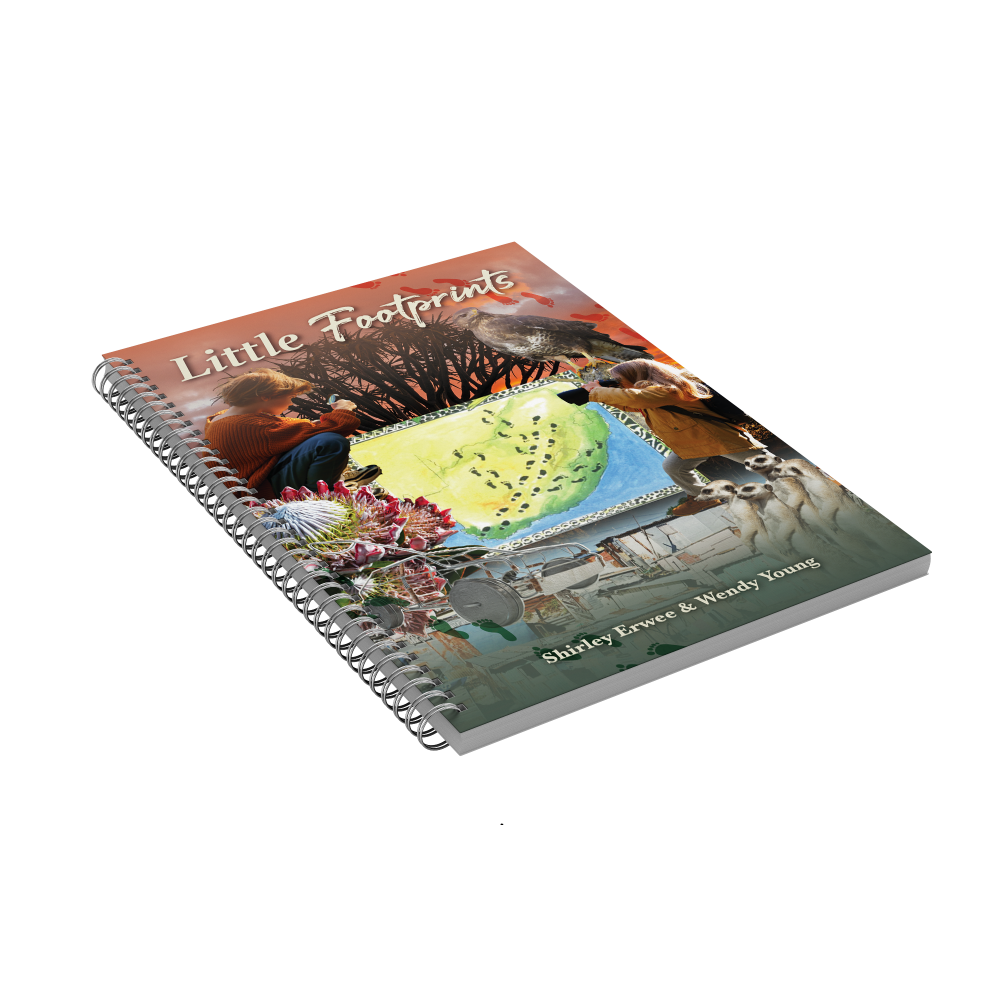
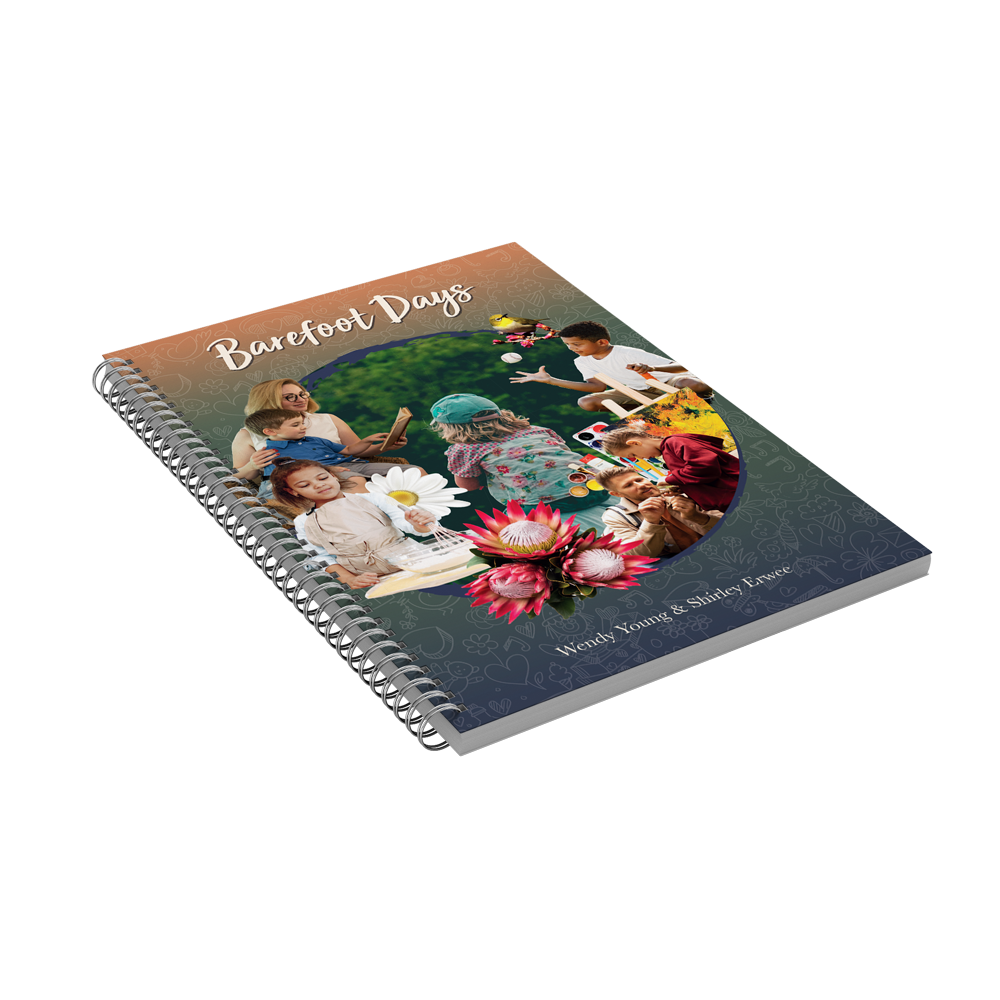
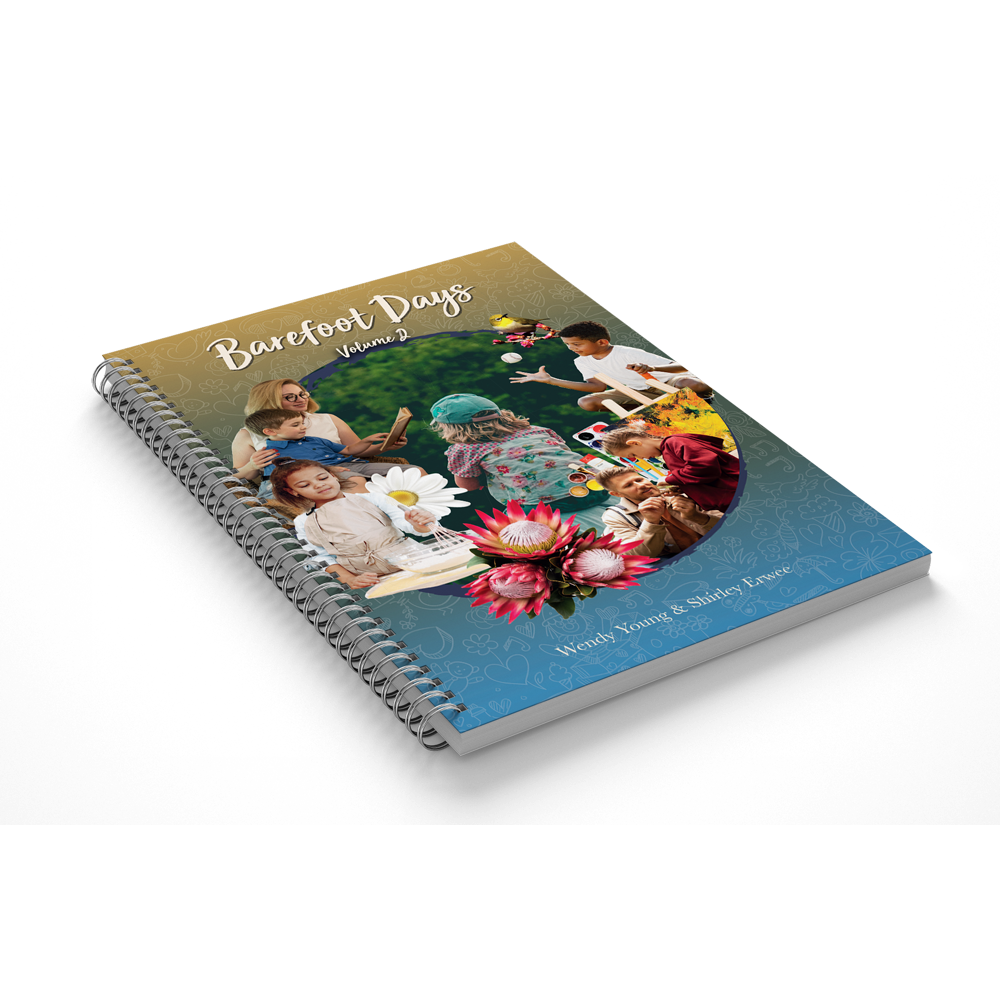
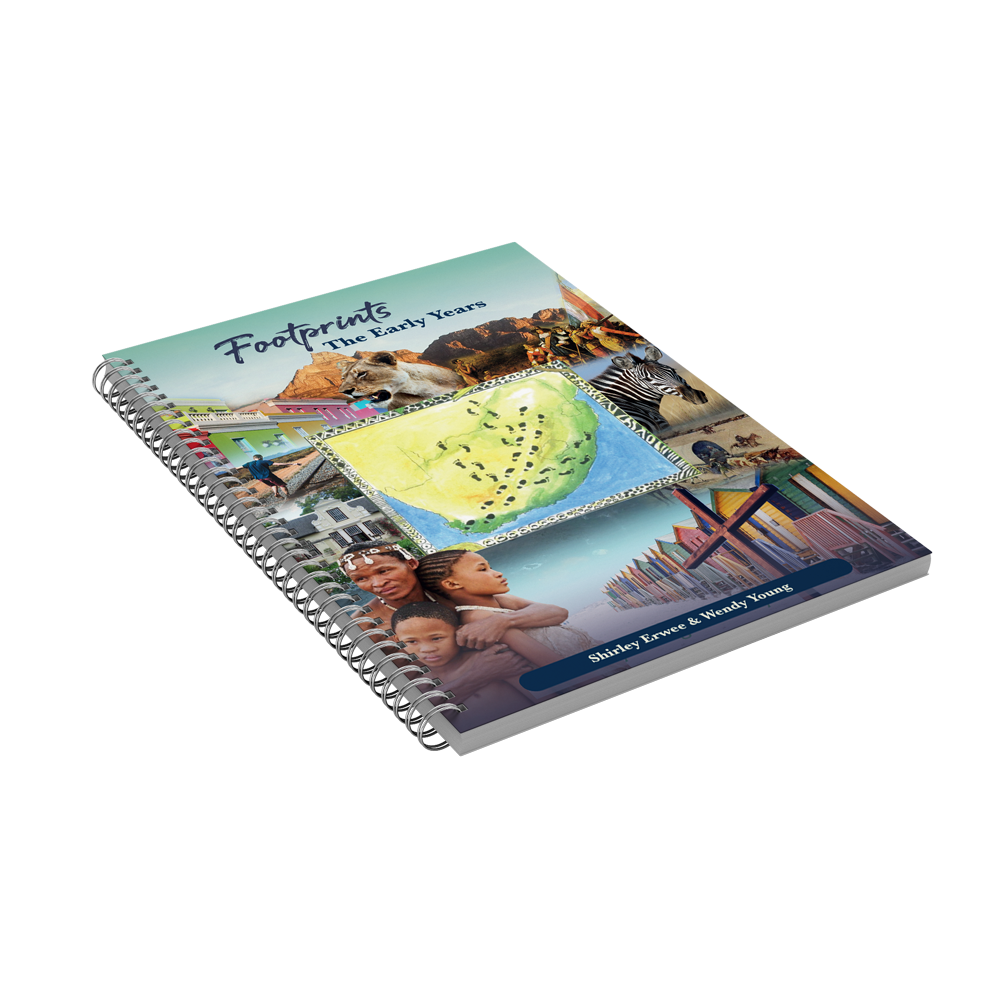
7. How Footprints Implements Charlotte Mason’s Ideas
- All our programmes honour short lessons, living books, narration and nature study.
- Mapwork, timeline work, art appreciation, music appreciation, poetry and topic‑related assignments are all part of Footprints.
- Flexibility gives families a lite Friday (or any other day) to breathe, reset and enjoy beauty or go on an educational outing.
- It keeps learning joyful, manageable and connected to South African stories and relevant to real life.
- Our programmes are age appropriate, offering unmatched depth and academic richness, without pressure or overwhelm. No matter what the speed of progress, you ARE doing enough. This is a relaxed, yet effective and academically enriching approach to learning.
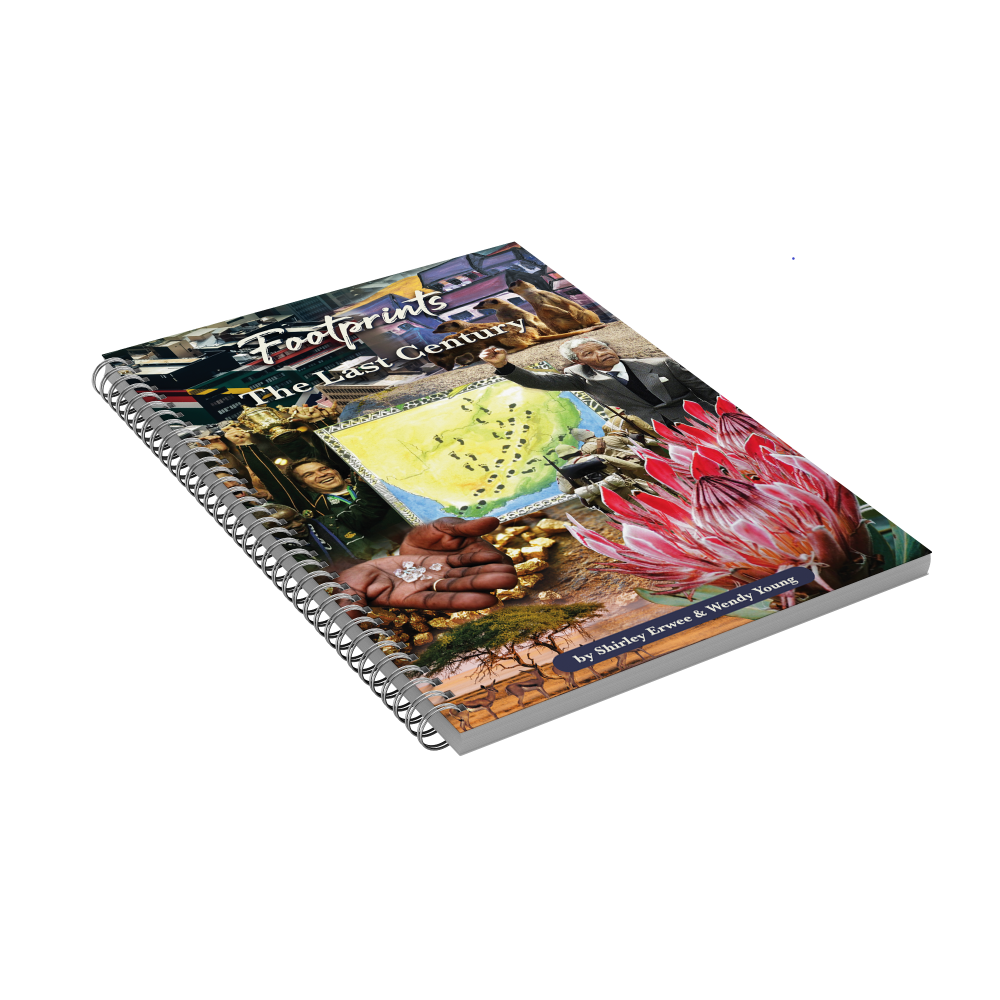
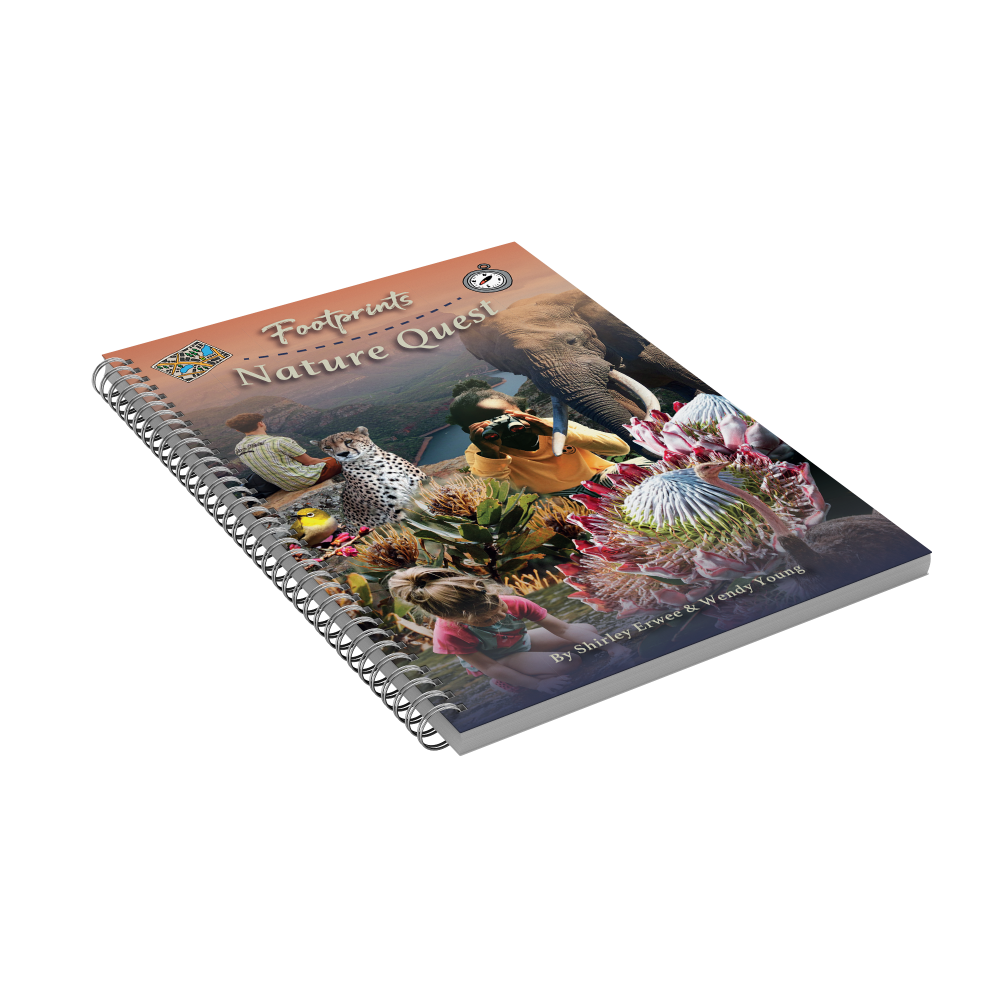
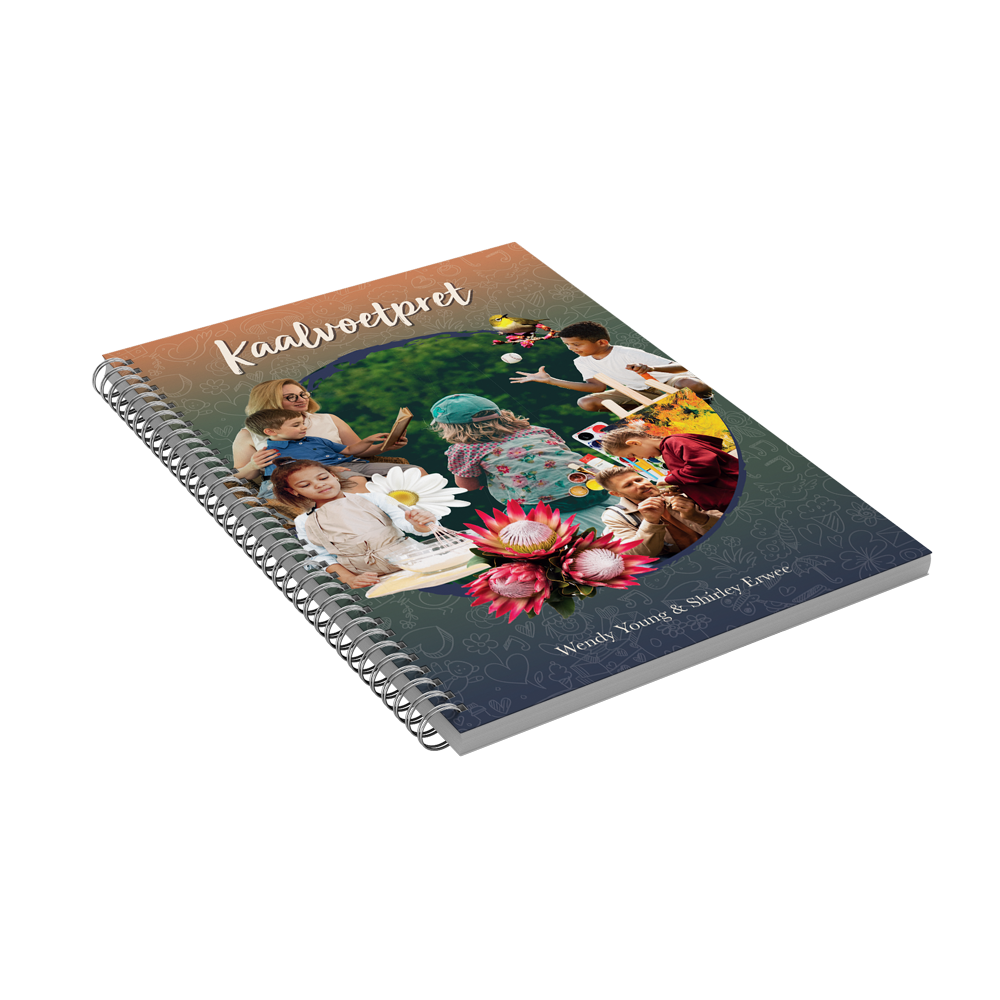
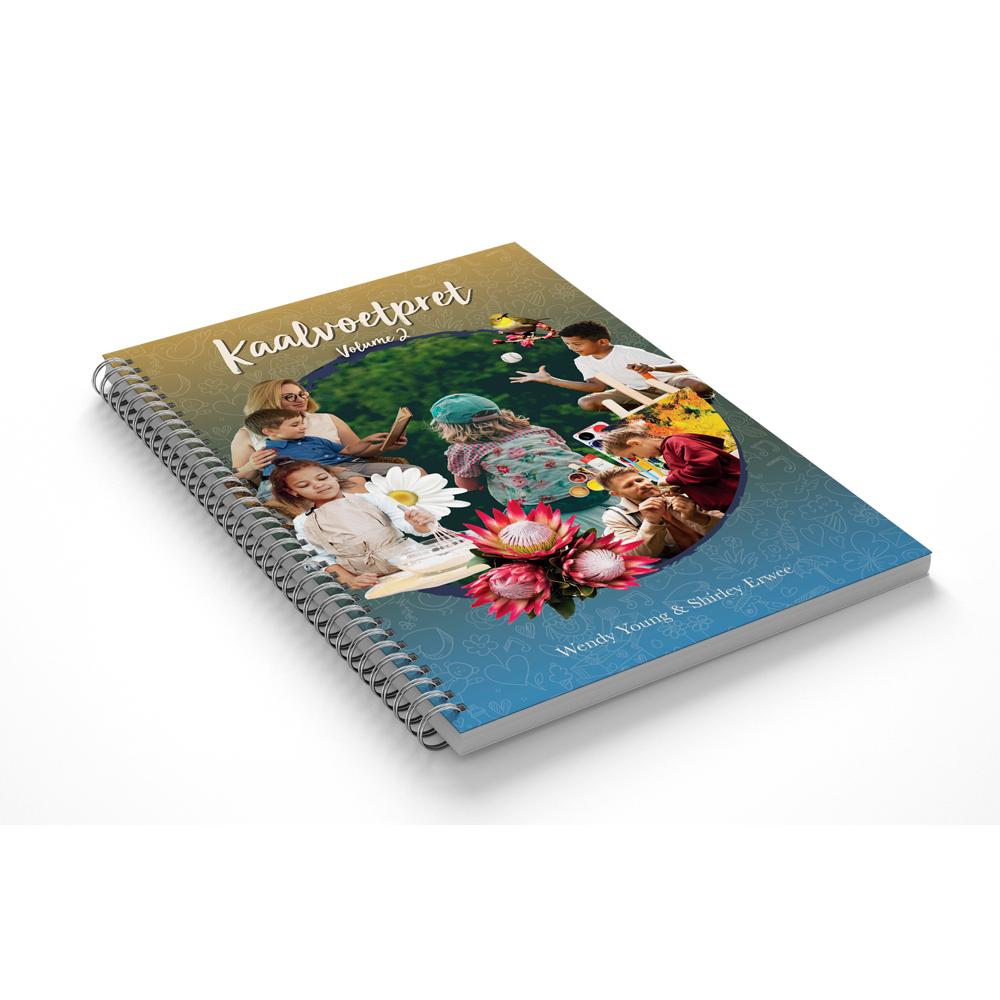
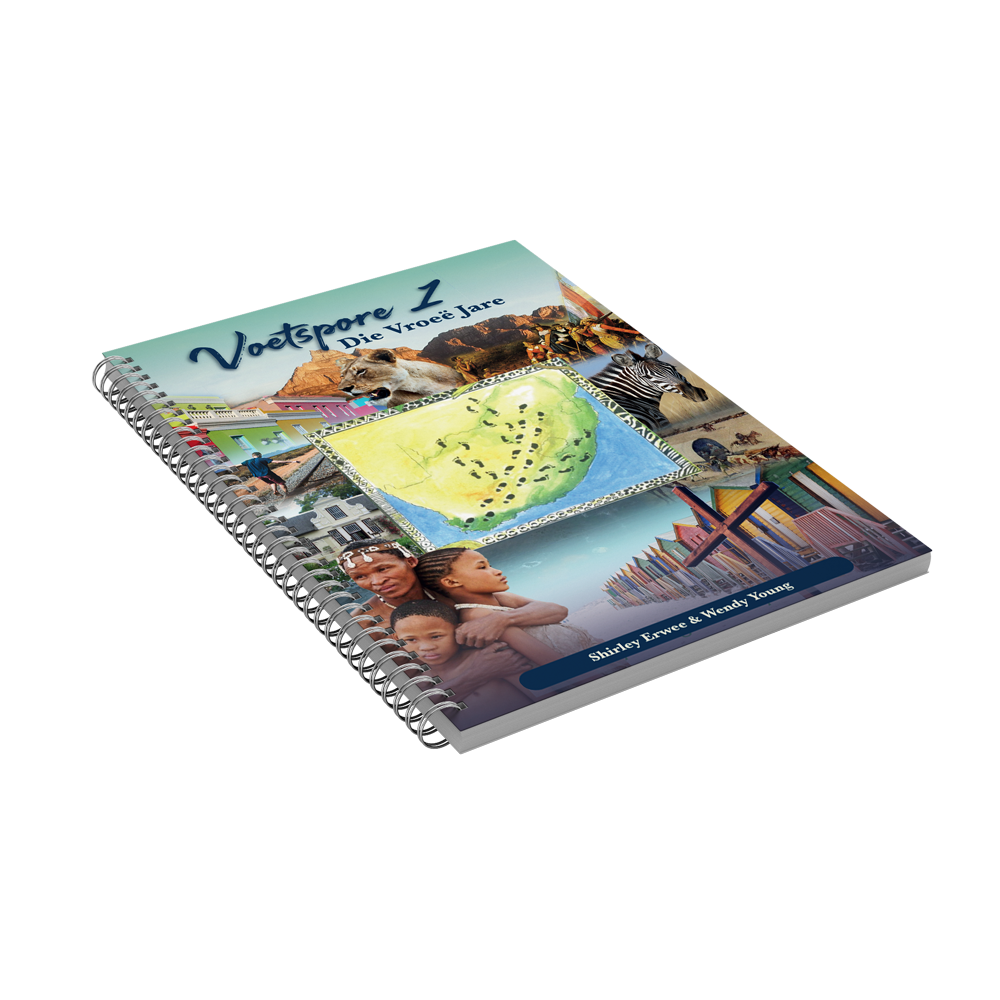
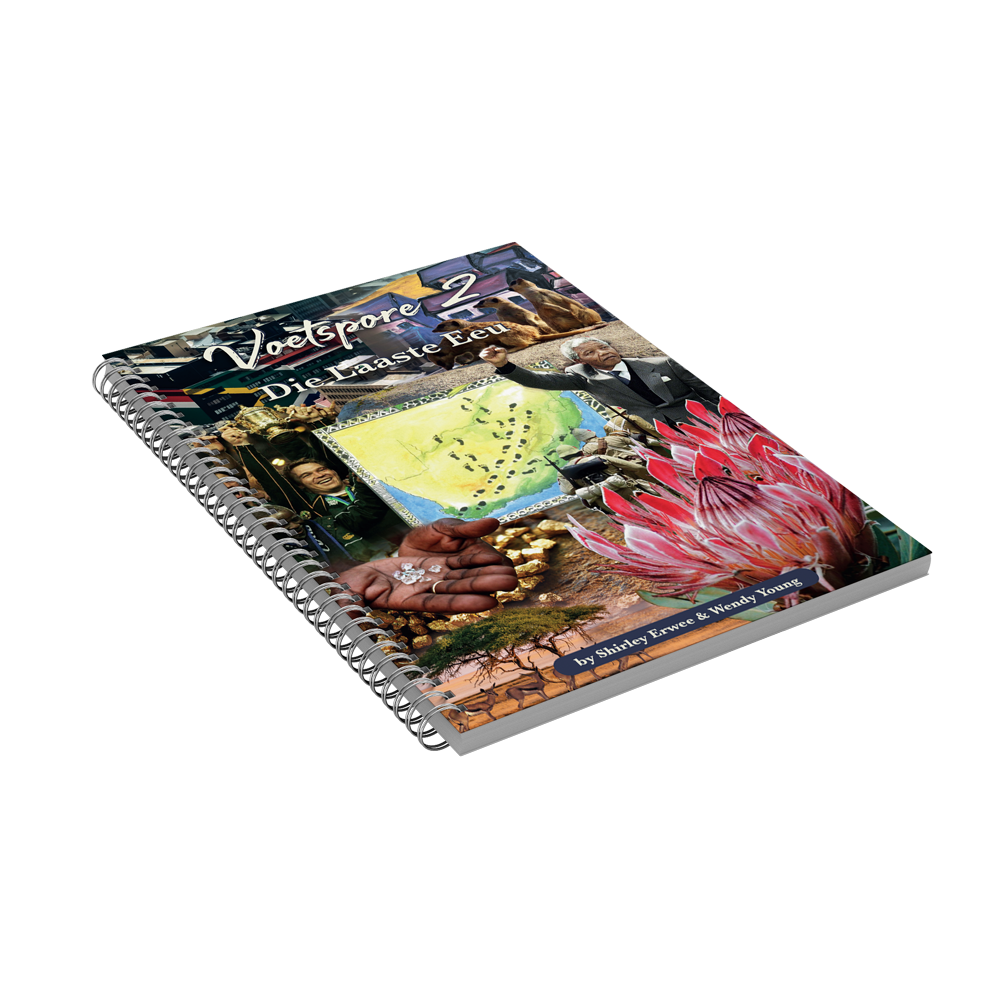
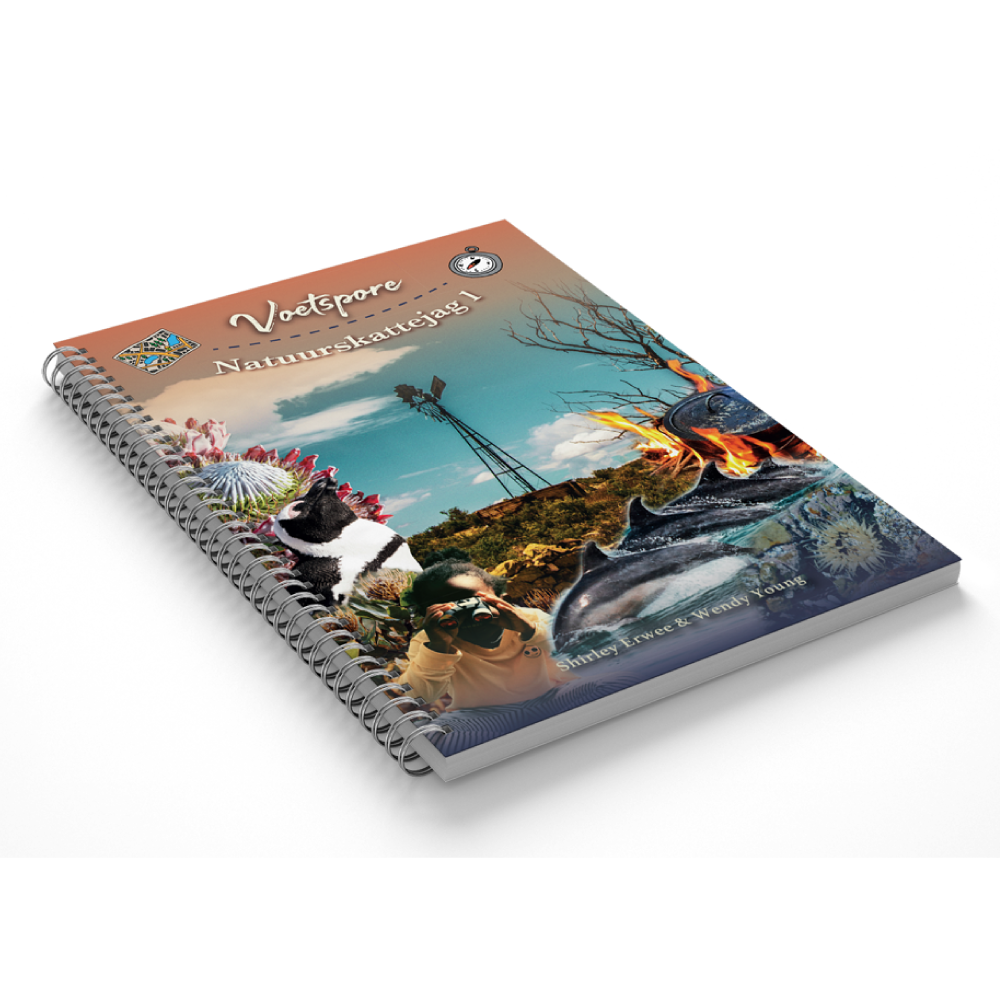
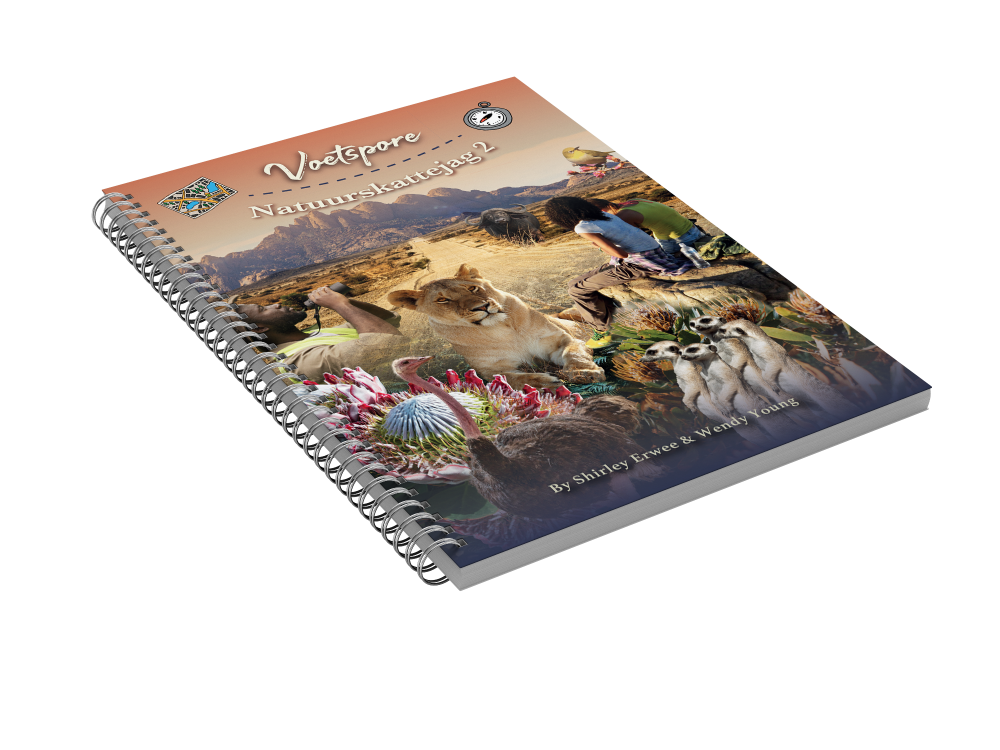
Explore our South African Charlotte Mason-style homeschool curricula in either English or Afrikaans