
Reading to children significantly raises their potential for academic and life-long success and delivers over 20 benefits of literature-based learning.
Learning Begins with a Story
There is something very different about learning something because you have to remember it and learning something because you have become completely absorbed in a story.
Most of us can remember the stories that stayed with us long after we had forgotten the facts we were supposed to learn at school. We remember the characters, the places, the adventures, the people who overcame impossible odds, the things that made us laugh or cry and the questions that kept us thinking long after the book was closed. Modern neuroscience shows that our brains are wired for learning through stories!
That’s one of the reasons we encourage that kind of learning at Footprints.
When you homeschool, you have the freedom to step away from the idea that every subject needs its own textbook, worksheet and test, because a really good story can become the doorway into an entire world of learning.
A story about a child growing up in another time can lead to history, geography, language, culture and conversations about what life was really like. A book about an animal can take you into science and nature, while the life of an extraordinary person can open up questions about courage, character, faith, injustice, perseverance and the choices that shape our world. The questions of ethics and human nature are one of the reasons Why Story-driven Learning is Vital in the Age of AI
The story becomes the thread that ties these aspects of learning together.
This is one of the reasons we love literature-based learning at Footprints. We are not simply trying to make lessons more entertaining. We believe children learn deeply when they are given something worth thinking about, something they can picture in their minds and something they can connect with.
This approach is closely connected to the educational philosophy of Charlotte Mason, who believed that children should encounter ideas through what she called “living books”, rather than being fed a diet of bland facts and fragmented information using inferior resources, which she labelled as “twaddle”!
“…children have no natural appetite for twaddle, and a special literature for children is probably far less necessary than the booksellers would have us suppose…What they want is to be brought into touch with living thought of the best, their intellectual life feeds upon it without meddling on our part.” ~ Charlotte Mason
If you are new to this approach, you may enjoy reading Charlotte Mason Homeschooling in South Africa to discover how this educational philosophy can be implemented in the South African homeschooling context.
Also take your time to learn about how homeschooling differs from traditional schooling, before Choosing a Homeschool Curriculum.
Stories Make Learning Personal
There is something particularly special about learning through literature from a South African perspective.
Our children are growing up in a country with an extraordinarily rich and complicated history, a remarkable diversity of people and cultures and landscapes that stretch from the bushveld to the coast, from mountains to cities and wide open spaces. They deserve an education that helps them understand where they come from while also opening their eyes to the wider world.
A dull paragraph about a historical event can give a child a date to remember, whereas a well-told story can put that child right there.
That difference matters.
When a child encounters history through the eyes of a person who lived it, discovers a place through the experiences of someone who travelled there or begins to understand nature by following a story into the veld, the learning becomes personal. It is no longer just information to be collected for a test. It becomes something they have experienced.
Various Footprints families have used holiday trips to follow in the footsteps of Jock of the Bushveld and his master Sir Percy Fitzpatrick after reading his story. Others have followed the route of the Trekkers on the Great Trek, while others journeyed to the historic mining villages at Kimberley or Gold Reef City. Lived experiences through stories and travel made their lessons more meaningful and unforgettable.
My kids and I have absolutely loved following this beautiful curriculum and every homeschool family living in SA or SA expats should do this programme
– your children are seriously missing out on the best way to learn about our beautiful country if not!”
~ Simone Eichler
Stories give facts somewhere to live.
This is particularly important when we are teaching children history. Dates and names have their place, but children are far more likely to understand the significance of an event when they have met the people who lived through it, struggled with its consequences and made decisions within the circumstances of their own time.
That is why literature can make history come alive in a way that a list of dates seldom can.
Read more about how we used this approach in our article History is Boring. Your Heritage is Alive!
Why Reading Together Matters
The benefits of reading with our children go far beyond developing better readers. A shared story can build vocabulary, strengthen comprehension, develop imagination and critical thinking, introduce children to ideas and experiences beyond their own lives and create opportunities for meaningful conversation and connection.
Some benefits are measurable, while others are much harder to put into a spreadsheet: the child who is suddenly fascinated by dinosaurs, the reluctant learner who wants to know what happens next, the family joke that comes from a favourite book or the historical character your children still talk about years later.
Those moments matter too, because they are part of what makes a literature-rich homeschool so memorable.
If you are wondering whether a literature-rich approach can really replace the piles of textbooks and workbooks that are traditionally associated with school, you may also enjoy 6 Reasons Stories Are Better Than Textbooks.
Below are some of the many benefits of reading and learning through great literature with our children.
20 Benefits of Literature-Based Learning and Reading Aloud
1. Reading strengthens family relationships
Reading together gives children something that cannot be bought or downloaded: your time and attention.
Sitting together with a good book creates opportunities for conversation, laughter, physical closeness and shared discovery, while the simple habit of reading aloud can become one of the ways your children experience your delight in spending time with them.
2. Sharing stories creates family traditions
A regular read-aloud time can become an important family tradition, whether you read together after lunch, before bed or at the beginning of your school day.
Years later, your children may remember not only what you read but where you sat, who read the funny voices and what happened when everyone became desperate to hear the next chapter.
Those shared books become part of your family’s story.
3. Stories give families a shared language
Books provide a rich collection of shared experiences that families can draw on for years, because a character’s decision can become a reference point for discussing a real-life situation and a story can give you a way to talk about courage, kindness, foolishness, perseverance or responsibility without turning every conversation into a lecture.
The books you read together become part of your family’s common culture. We can use them to remind our children of life lessons and character training we have learned from the stories we have shared. For example: “Remember how the little girl felt when she was excluded by the other children in The Hundred Dresses?” We can also share jokes and humorous comments when we have the same information base from which the humour is drawn.
4. Books create opportunities for meaningful conversations
Children encounter difficult choices, unfamiliar situations and different perspectives through literature, giving parents countless opportunities to ask questions such as:
- What would you have done?
- Why do you think she behaved that way?
- Was his decision fair?
- What do you think will happen next?
These conversations help children learn to think about motives, consequences, relationships and values, while also giving parents a natural opportunity to listen to their children’s thoughts and understand how they are beginning to make sense of the world.
5. Literature helps children explore difficult subjects
Carefully chosen books can provide a natural starting point for conversations about subjects that might otherwise be difficult to introduce. e.g. divorce, racism, sexuality, etc.
Through the experiences of fictional or historical characters, children can begin to think about injustice, prejudice, loss, courage, poverty, relationships and other challenging aspects of life, while the story provides a context in which parents can listen, answer questions and help children make sense of what they encounter.
6. Novels expand children’s horizons
Through books, children can live for a while in another place, another culture or another period of history.
Charlotte Mason wrote: “Children should have the joy of living in far lands, in other persons, in other times…”
Literature allows children to encounter lives that are very different from their own. Through stories they can travel to other countries, meet people from different cultures and imagine what it was like to live in another century.
At the same time, children need literature that helps them understand their own country and their own place in the world. For South African families, that means making space for stories, history, people, landscapes and experiences that connect children with the country they actually call home.
7. Reading aloud develops attentive listeners
Reading aloud requires children to listen carefully and follow a developing narrative, so they learn to concentrate on what is being said, remember details and follow a story over several chapters.
These habits of attention are valuable far beyond reading time and support learning across the curriculum.
8. Hearing written words develops vocabulary and language
Good literature exposes children to a much richer range of vocabulary than everyday conversation alone.
They hear unfamiliar words used in meaningful contexts and gradually develop an understanding of how language works, while reading good written text also provides models of grammar, sentence structure and expressive language that can influence children’s own speaking and writing.
9. Reading aloud propels young readers academically
Children whose parents read to them extensively already have a store of spoken vocabulary and ideas to draw upon when they begin reading independently.
When a child encounters a word in print that he already knows how to say and understands in context, it becomes easier to make sense of the written word, which is one reason reading aloud can be such an important foundation for independent reading.
Social scientists agree that reading aloud is one of the most important indicators of a child’s prospects in life! Give Your Children a 1.4 Million Word Advantage explains how reading aloud blasts children ahead of their peers academically with lifelong benefits.
10. Literature develops imagination
Unlike television or video, a book does not provide every face, landscape and movement for the child.
The child must picture the characters and places for himself.
As Charlotte Mason recognised, children need opportunities to encounter ideas and form their own mental pictures, and a well-written story gives their imagination something rich to work with.
11. Stories develop thinking skills
Following a complicated plot requires children to remember what has happened, make connections, anticipate possibilities and understand cause and effect.
Stories can therefore provide a natural context for developing logical thinking, problem solving and the ability to consider different perspectives, all while the child is engaged in something he genuinely wants to know more about.
12. Reading stimulates curiosity
A good book often creates more questions than it answers.
A child who reads about a historical character may want to know what happened next. A story about an animal may lead to questions about its habitat. A book set in another country may prompt an investigation into its geography, language or culture.
This is one of the great strengths of literature-based learning: one story can open the door to many more questions.
13. Literature can spark lifelong interests
You never know which book will become the beginning of a lifelong interest.
A story about a vet may inspire an interest in animals, a biography may awaken an interest in invention and a historical novel may lead to a fascination with a particular period.
The child does not have to be told what he ought to be interested in, because sometimes a good story simply gives him something that captures his imagination.
We know children who followed interests in sailing, ornithology (study of birds) and playing the violin after being inspired by stories they encountered while homeschooling with Footprints.
This is why literature-based education is about more than getting children through the year’s curriculum. It can help lay the foundations for Literature for Lifelong Learning, where reading continues to be a source of discovery long after formal schooling has ended.
14. Books introduce children to good literature
Children who grow up surrounded by good books develop familiarity with quality writing and gradually become more discerning readers.
Rather than seeing books simply as something they are required to read for school, they can learn that literature is a source of enjoyment, knowledge, beauty, challenge and companionship.
15. Reading provides healthy entertainment
Reading aloud can become one of the ways a family enjoys spending time together.
Instead of relying entirely on screens for entertainment, children discover that a book can transport them into another world just as effectively, while requiring them to participate actively through listening and imagining. Read How to Ensure Deep Learning in an Age of Digital Distraction
16. Stories make learning memorable
Information attached to a story, whether it is fiction or non-fiction is often easier to remember because it has a context.
A historical date is one piece of information, whereas a character who lived through the event, struggled with its consequences and made choices because of it gives that information meaning.
This is why literature can transform subjects that might otherwise seem like a collection of disconnected facts.
17. Literature connects different areas of learning
One of the greatest strengths of literature-based homeschooling is that a single book does not have to belong to only one subject.
A story might lead to history, geography, science, nature study, art, language, research, practical activities, discussion and debate or character formation.
The learning becomes connected rather than divided into isolated subjects, which is one of the reasons literature-based learning works particularly well for families who are homeschooling children of different ages.
18. Stories encourage empathy and understanding
Literature allows children to encounter experiences from another person’s point of view.
They can begin to understand what it feels like to be excluded, frightened, courageous, poor, wealthy, lonely, misunderstood or responsible for others.
These experiences can broaden a child’s understanding of people whose lives are very different from his own, while helping him develop the ability to look beyond his own immediate experience.
19. Reading encourages lifelong learning
Perhaps one of the greatest gifts we can give our children is the understanding that learning does not end when school ends.
When children discover that books can answer questions, introduce new ideas and lead them into unfamiliar subjects, they begin to see reading as a tool they can use throughout their lives.
A child who learns to turn to books because he wants to know something has acquired a habit that can continue long after completing the last school assignment has.
20. Reading benefits parents too
The benefits of reading aloud are not just for children. Parents discover new stories, encounter fresh ideas and build a store of shared experiences with their children, while sometimes the parent who begins reading a book because it is “for school” ends up being just as eager to find out what happens next.
As Heinrich Mann famously said: “A house without books is like a room without windows.”
Why the Quality of the Books Matters
Literature-based learning is not simply about replacing textbooks with any books that happen to tell a story.
The quality of the literature matters.
Charlotte Mason spoke of children encountering with “living thought” rather than material diluted or simplified beyond recognition, because children are capable of engaging with ideas, stories and language that respect their intelligence.
That is why choosing books for a literature-based homeschool requires care. Our article about Charlotte Mason Homeschooling explains more about what exactly is a “living book”.
You need beautifully written books which are engaging and worth returning to. You want stories that introduce children to people, places, ideas and experiences beyond their immediate world. You want literature that leaves something behind after the final page has been turned.
You also want to give children enough time to think about what they have read.
This is where a well-designed literature-based curriculum can make such a difference.
From Books to a Richer Homeschool Education
At Footprints, we have spent years selecting literature that can become the foundation for meaningful learning rather than simply providing something for children to read alongside their “real” schoolwork. Our article Language Arts and Reading for South African Homeschoolers explains why reading is the HEART of homeschooling that connects everything else together.
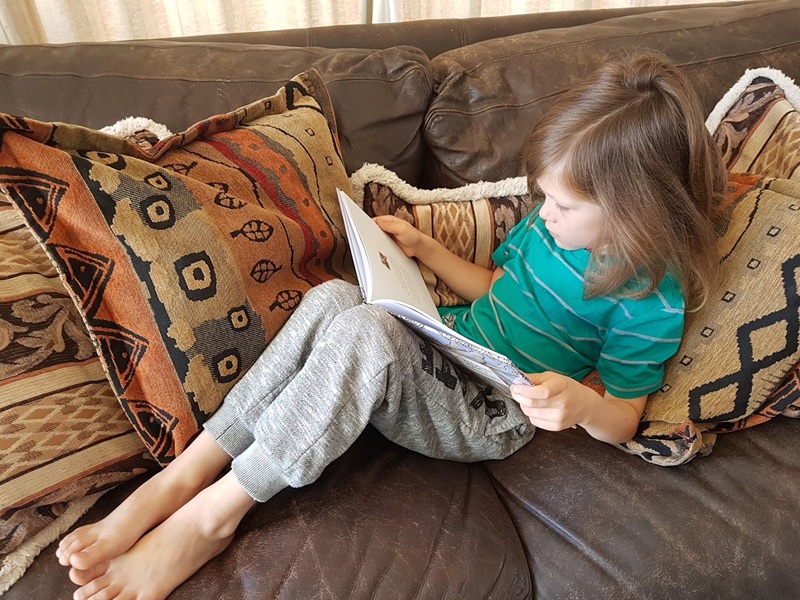
Our programmes use carefully selected books and stories as starting points for exploring history, geography, science, culture, nature, language and the world around us, with the literature supported by activities, discussion, research and practical experiences so that the stories become part of a much wider learning journey.
The aim is not to cram more information into your children’s heads.
It is to give them something worth knowing.
It is to give them books that invite questions, characters who become memorable, experiences that broaden their understanding and ideas that continue to grow in their minds long after the lesson is finished.
We also believe that South African children should not have to discover the world while remaining strangers to their own country.
Their education should help them understand South Africa’s people, places, history and heritage while giving them a window into the wider world, which is why Footprints combines a literature-rich educational approach with a strong South African focus.
If you are still wondering what makes this approach different from a conventional curriculum, take a look at Why Choose Footprints?, where we explain the philosophy and features that make Footprints different.
What a rich life you’re helping mothers create at home!
I have learned so much and am thankful for the gentle approach to Charlotte Mason that your programmes have made manageable for me!
~ Hanneke Barlow
Notebooking not Endless Worksheets
Literature-based learning also changes the way children respond to what they have read.
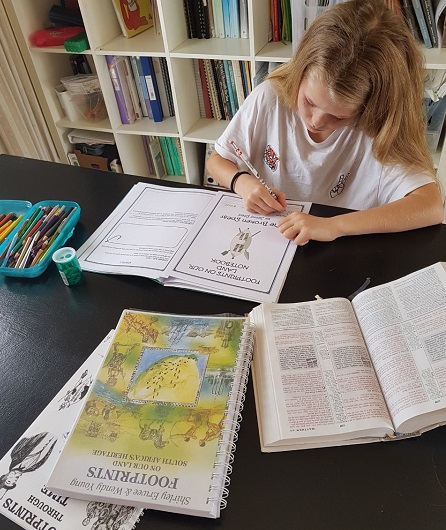
Instead of expecting children to complete page after page of comprehension questions or fill in worksheets simply because that is what “school” normally looks like, literature can become the starting point for narration, discussion, drawing, research, writing and notebooking.
Notebooking: An Alternative to Workbooks explains how this can give children a much more personal way of recording and responding to their learning.
The result is not less learning. In many cases, it is a richer response because the child is being asked to think about what he has encountered rather than simply prove that he has remembered it.
Invest in Books that become Treasures

A good homeschool programme is an investment, but some of the most valuable things you purchase for your children will never be things they can measure on a report card.
They are the books they remember.
The characters who become almost like old friends. The stories that make everyone laugh around the table. The historical figures whose lives make the past feel real. The books that lead to questions, rabbit trails and unexpected interests. The stories you read together that become part of your family’s shared history.
That is why we encourage families to think of purchasing a Footprints programme not simply as buying a curriculum.
You are investing in high-quality children’s literature and in the experiences that grow around those books.
You are also sending your children a message that says: Your education is important. You are worth it!
A Footprints programme gives you carefully selected literature around which you can build a rich, connected education, with books chosen not because they happen to fill a reading list but because they have something worthwhile to offer your children.
“It is worth every cent…The thoughtful design and engaging content is truly making our homeschool experience delightful and enriching
and it is evident that a lot of care and effort went into creating such a wonderful programme.”
~ Mubena Parker
You are investing in stories that can be read aloud to several children, discussed at different levels and revisited over the years. You are investing in a literature-rich education that gives your children something to think about, something to talk about and something worth remembering.
The worksheets will eventually be put away, the lessons will be completed, the school years will pass but the books can stay on your shelves and the stories can stay with your children for life.
If you want to build your homeschool around great books, meaningful experiences and a love of learning, explore the Footprints programmes and discover the literature that could become part of your family’s own learning story.
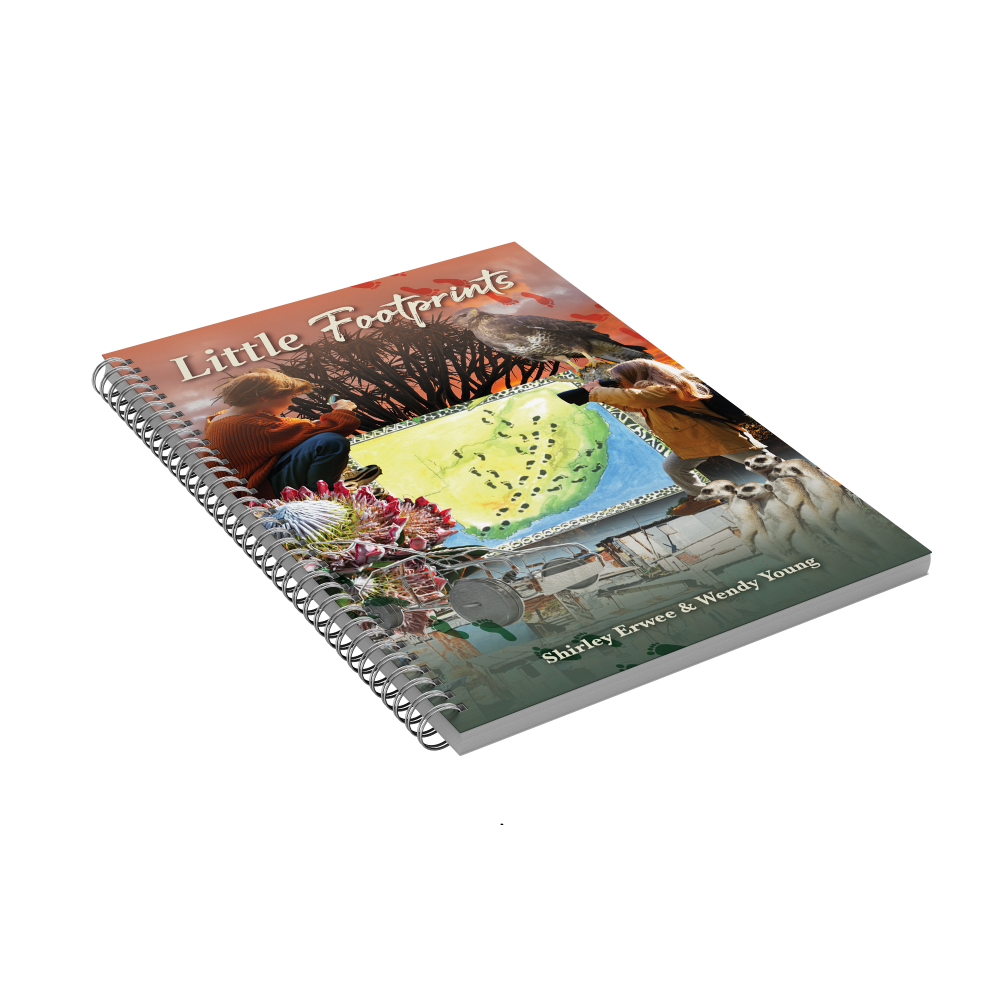
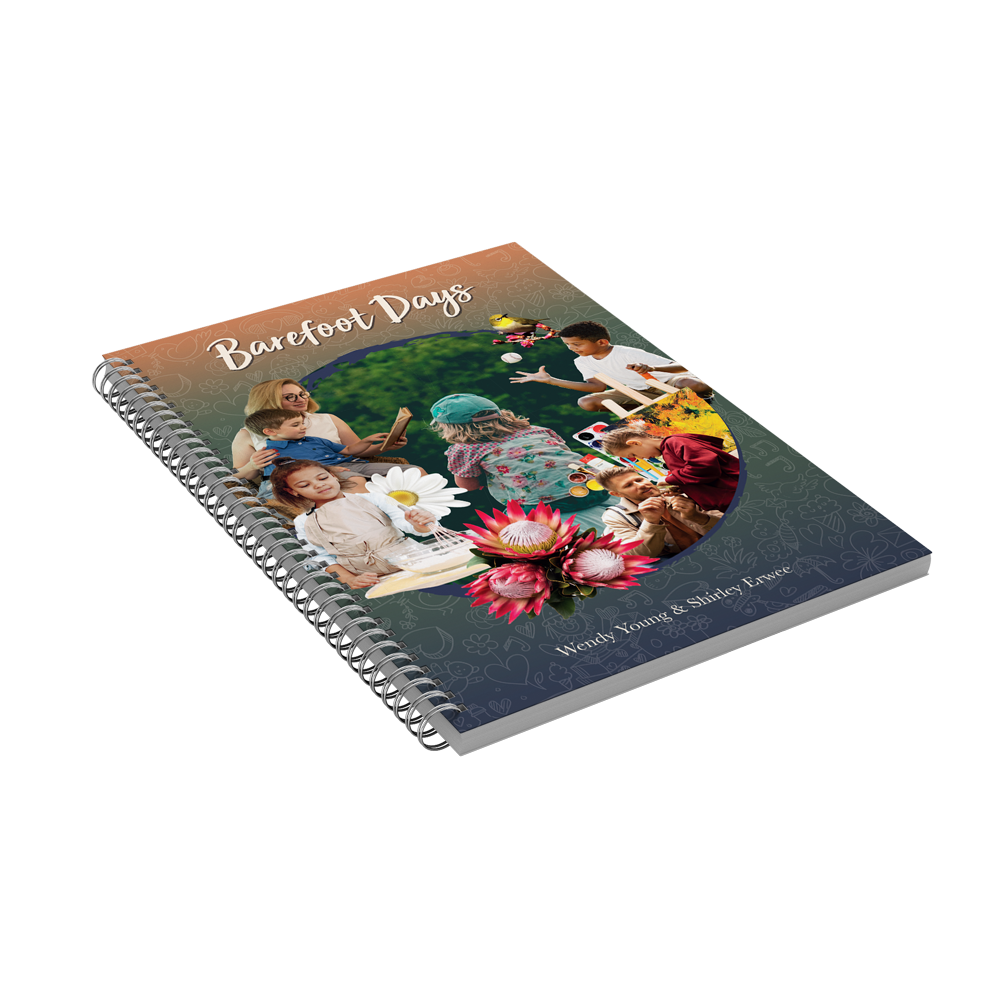
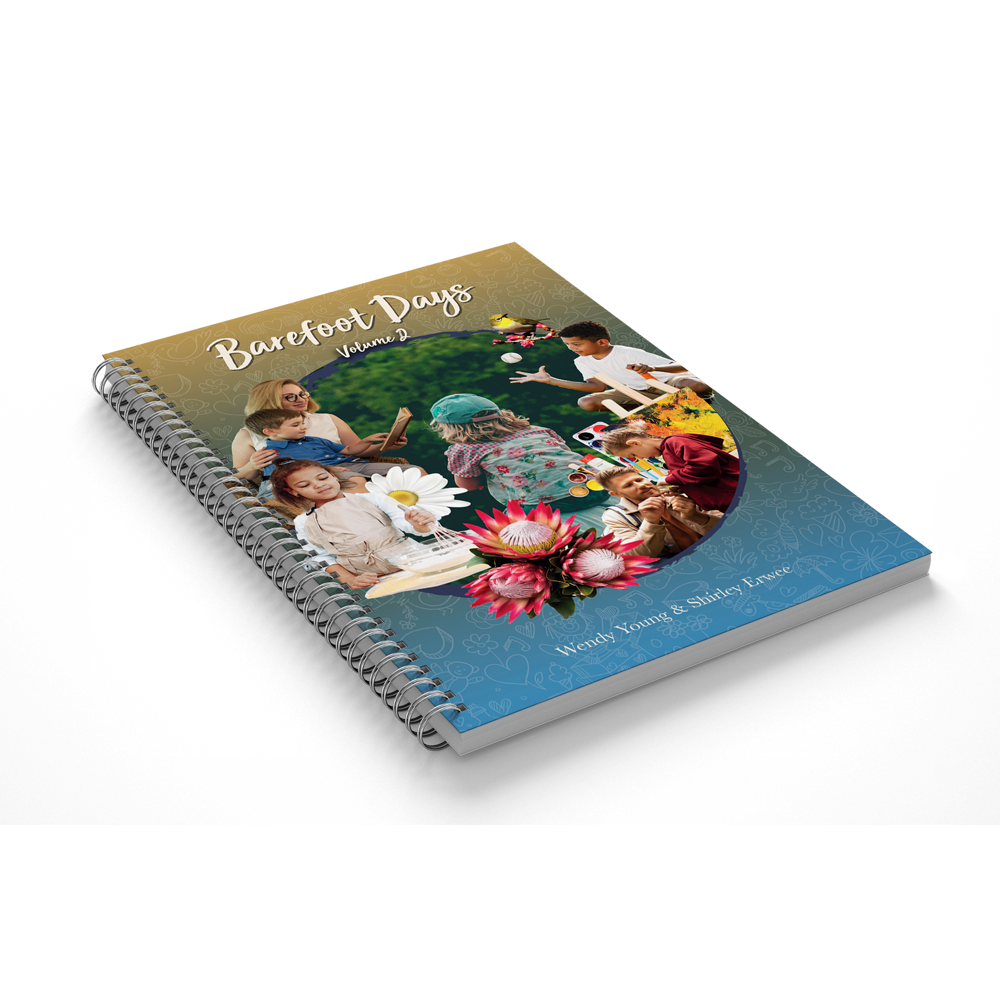
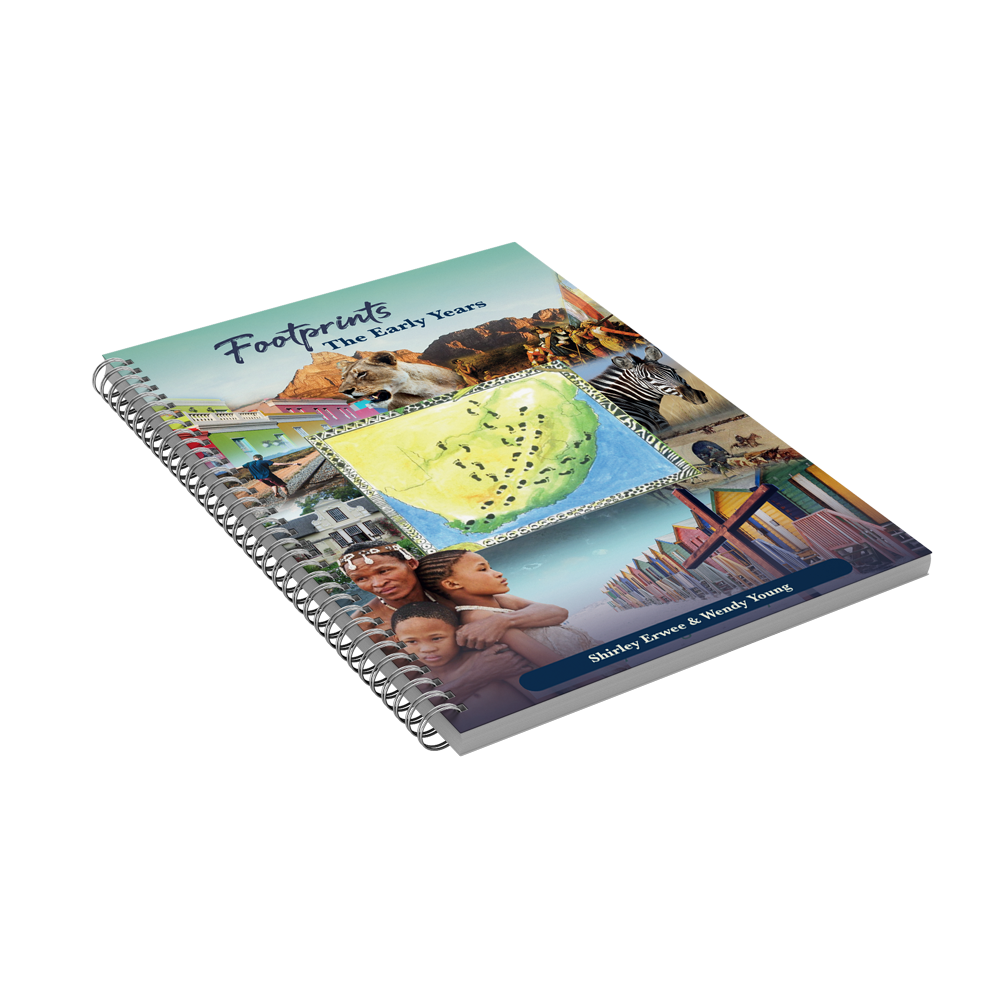
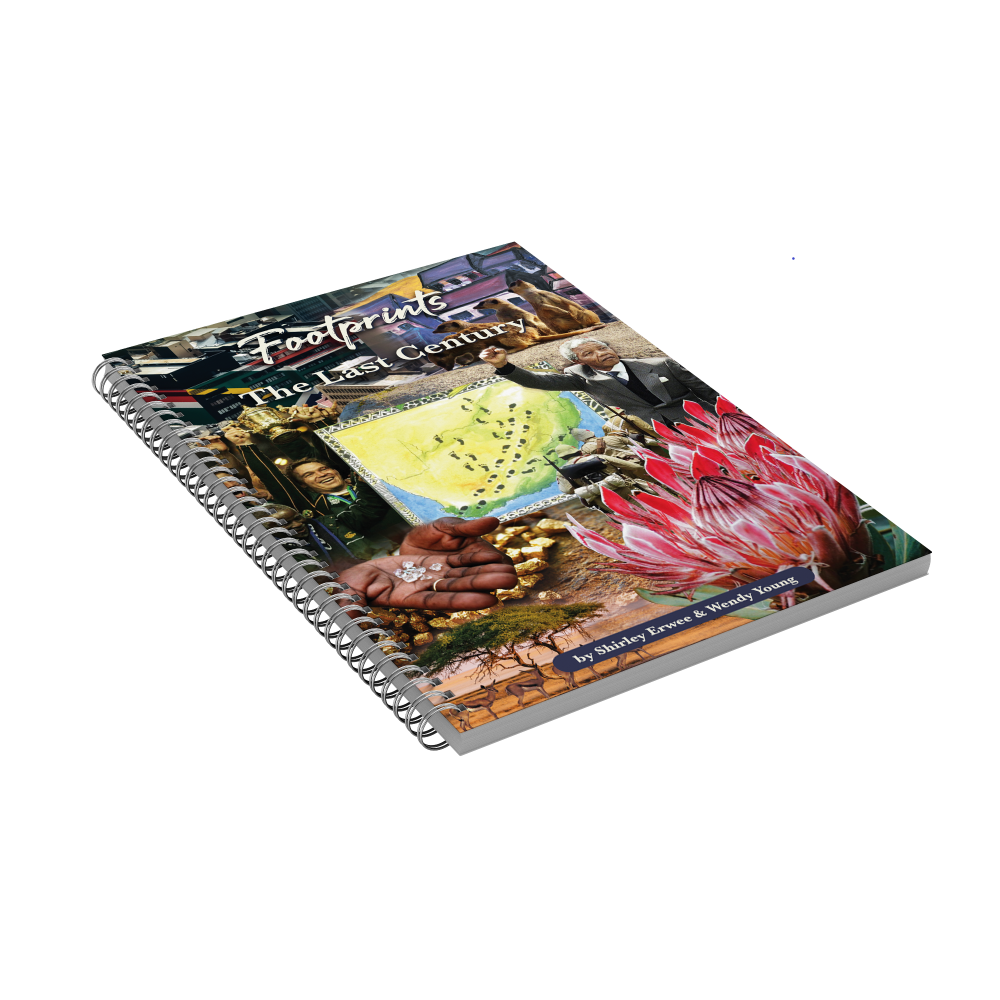
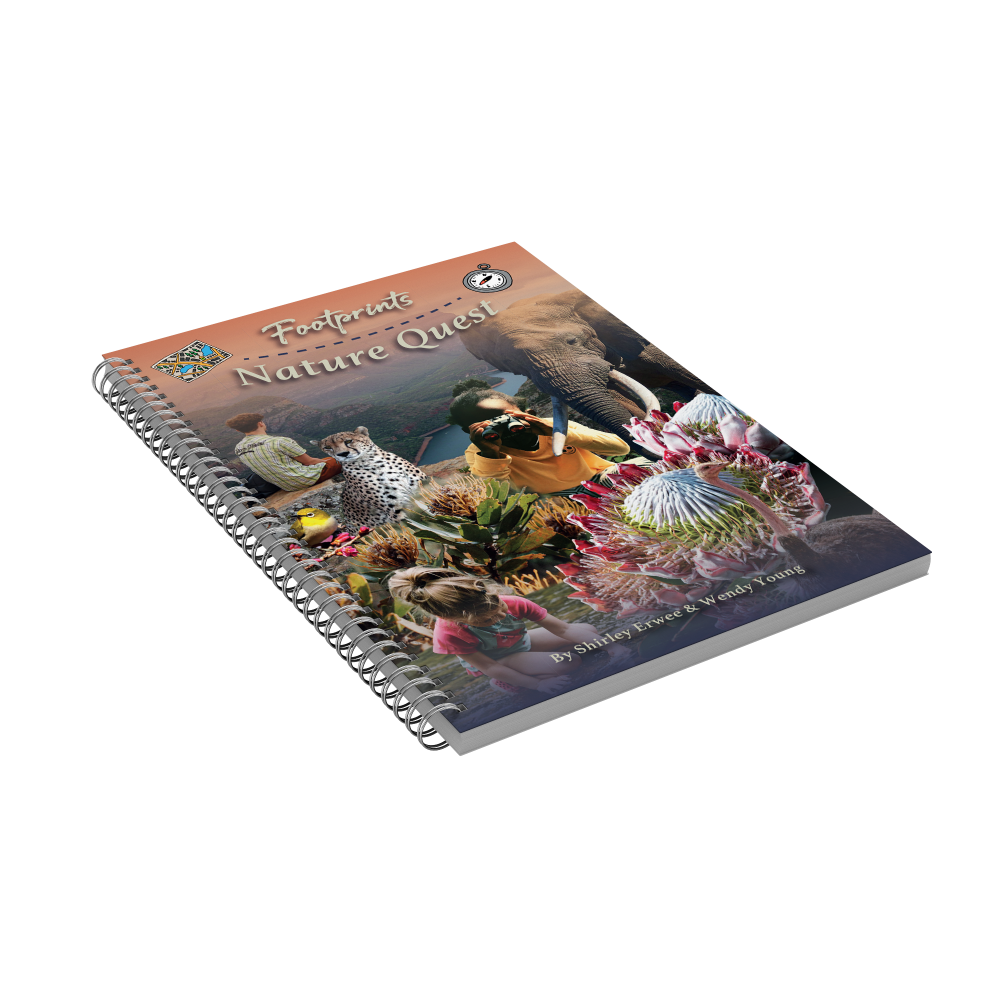
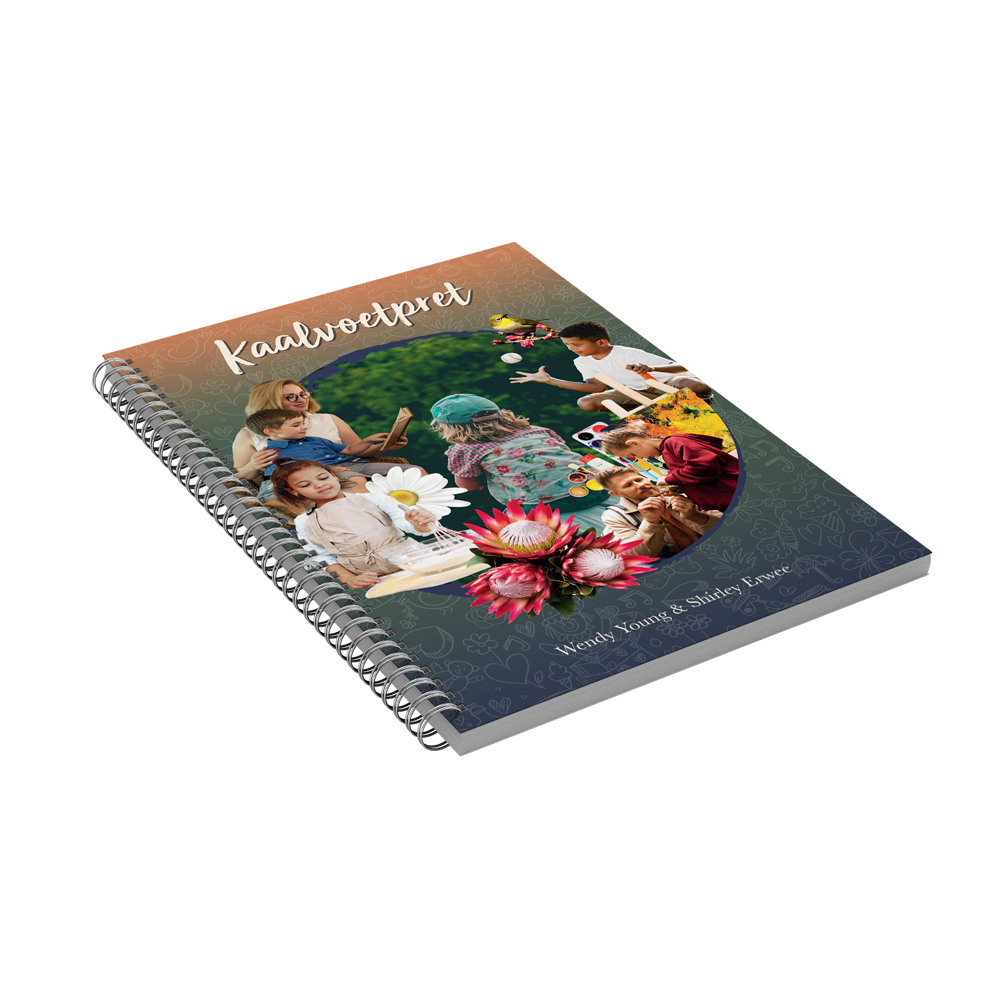
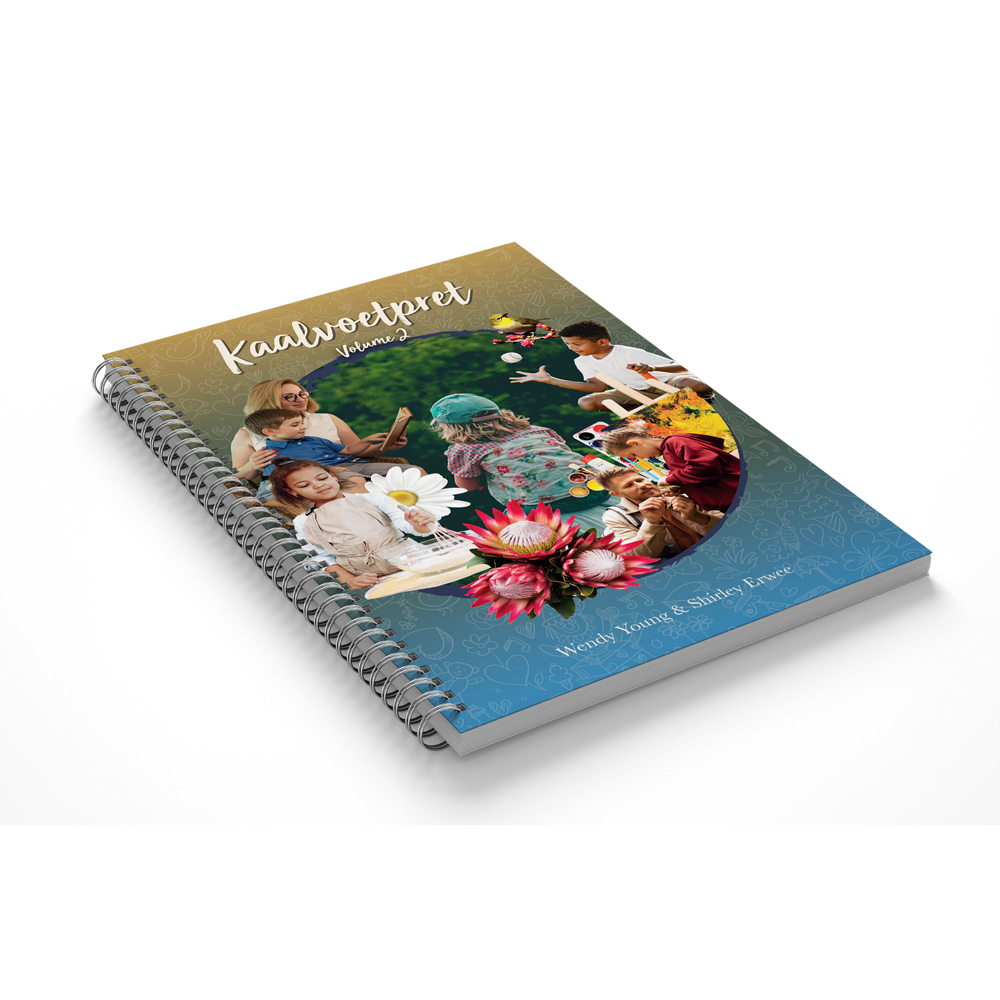
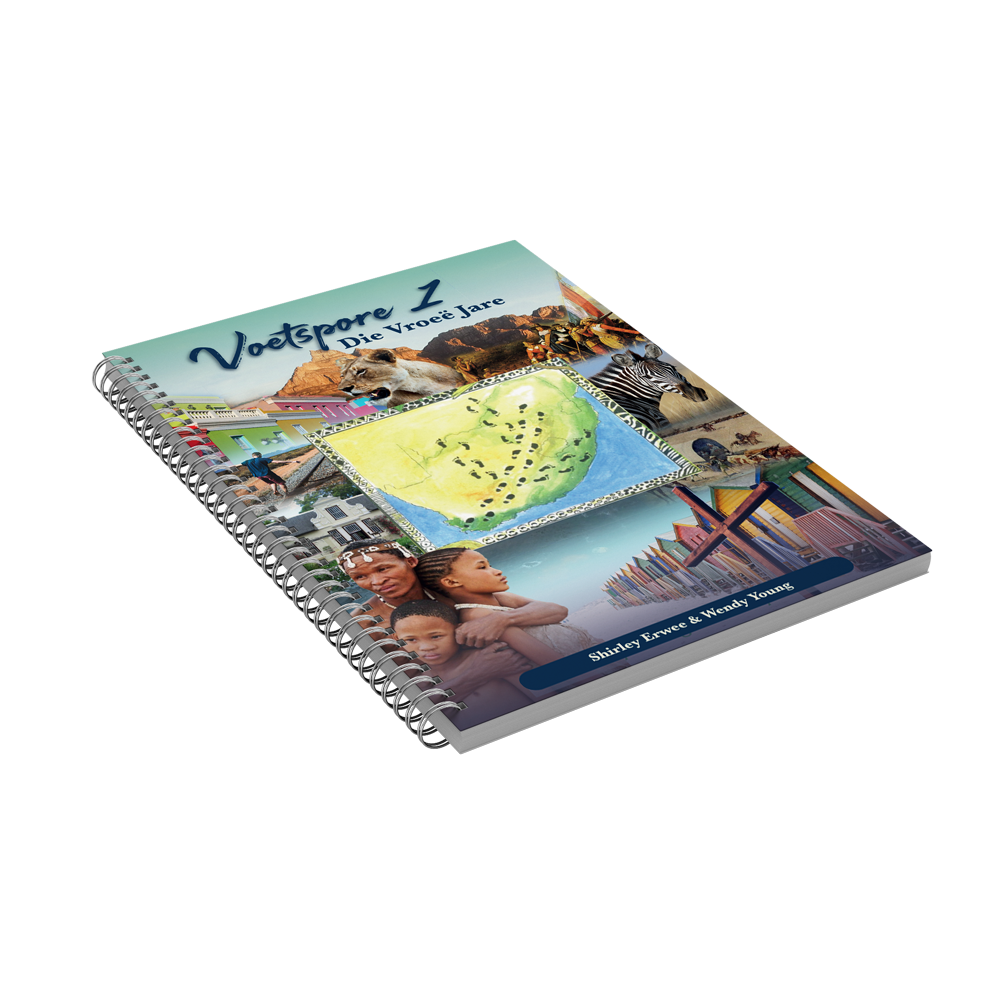
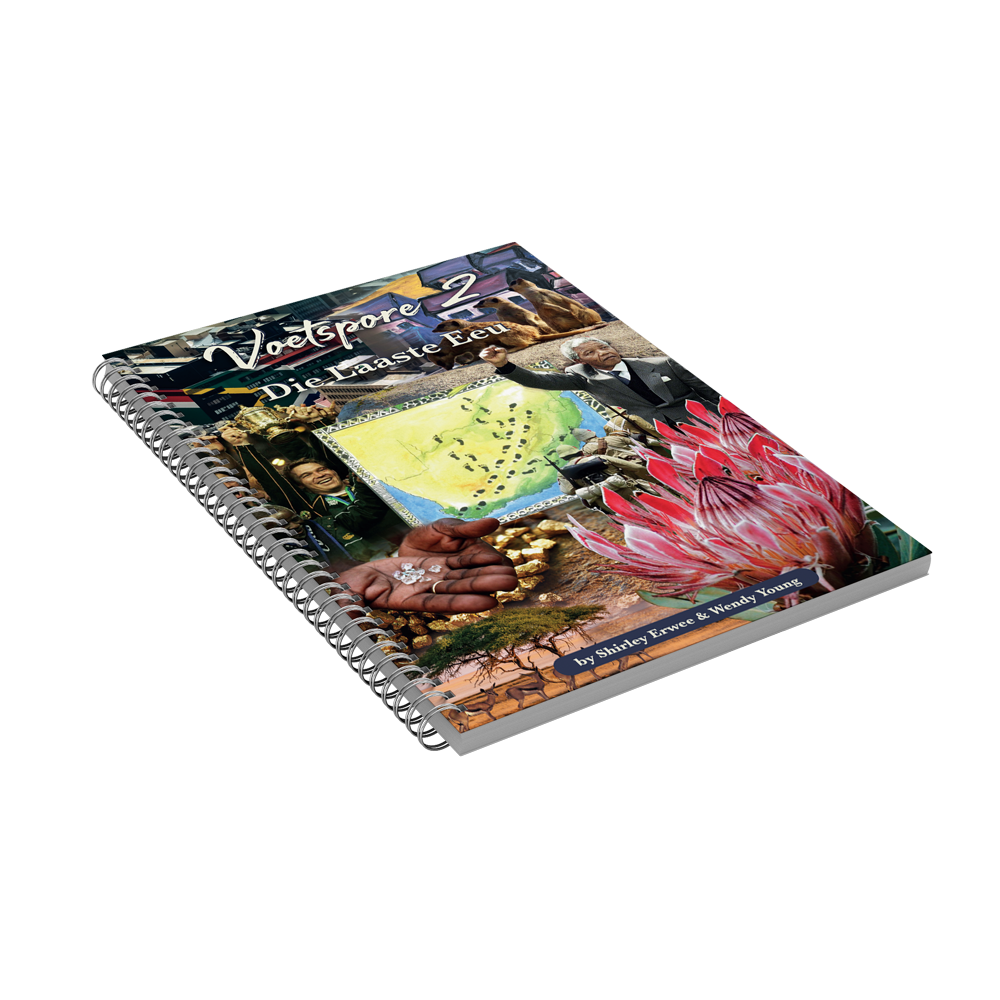
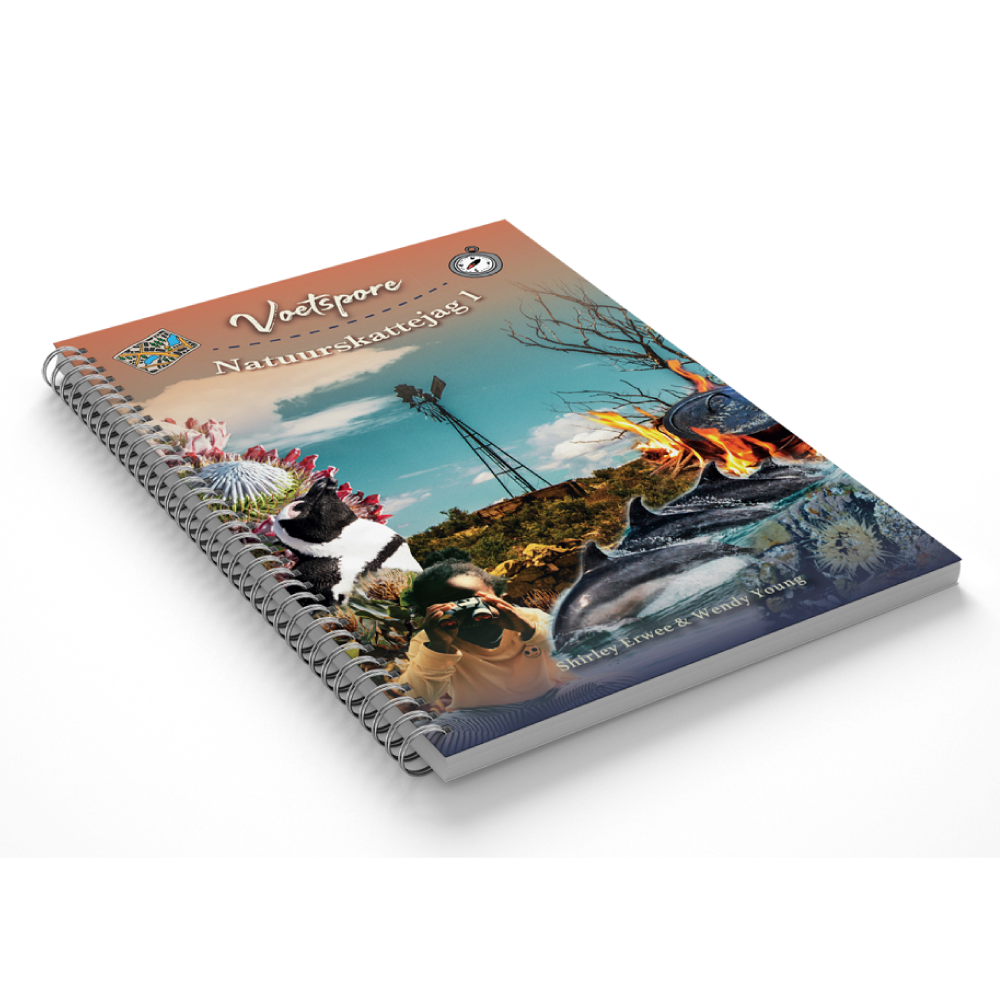
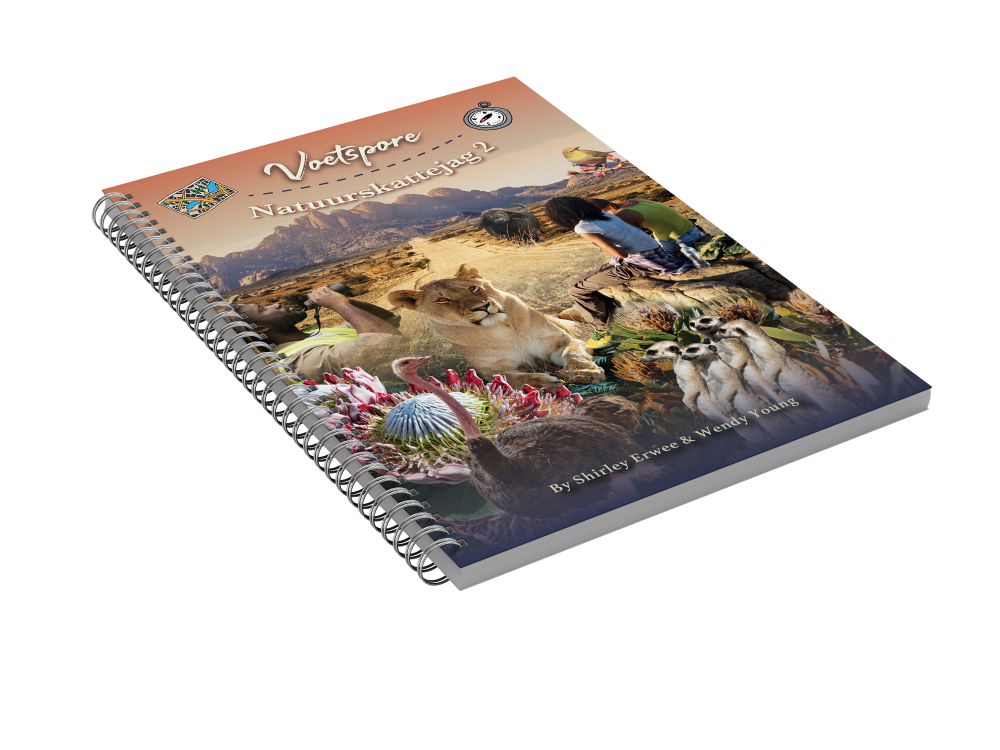
Footprints on our Land – Literature-based Learning
Footprints on Our Land is a literature-based South African homeschool curriculum series in unit study format for multi-level learning.