On 12 June 2025, the Department of Basic Education (DBE) released its guidelines for the Implementation of the BELA Act, bringing long-awaited clarity to South African homeschooling families. While the BELA Act itself remains controversial—particularly among supporters of educational freedom—there is encouraging news in the recently published guidelines: homeschoolers are not required to submit quarterly assessments.

This comes as a welcome relief to many families concerned about over-regulation and administrative burdens.
The guidelines affirm several key points that home education advocates, including the Pestalozzi Trust, have long maintained:
- CAPS is not compulsory. The curriculum requirement is that the learner must “predominantly cover content and skills at least comparable” to the national curriculum. The DBE interprets this to mean that learners should cover a comparable scope of content and variety of skills, without needing to follow CAPS specifically.
- There is no pre-approved list of curricula. Parents are free to choose educational programmes that suit their child’s needs and interests.
- Parents do not need formal teaching qualifications to register for home education.
- Quarterly assessments are not required. The only assessments explicitly mentioned in the BELA Act are the phase assessments at the end of Grades 3, 6, and 9. The DBE states that any other assessments—such as quarterly reports—should be considered voluntary, and that provincial departments are advised to inform parents accordingly.
Sign up for our free 5-part email series: What the DBE Doesn’t Tell You…
Email 1: The truth about homeschooling in SA including your Homeschooling Rights Checklist
Email 2: The mindset shift that makes everything easier
Email 3: The real curriculum choices nobody tells you about
Email 4: The biggest “what if” fears debunked
Email 5: How to homeschool with greater confidence
Why This Matters for Footprints Families and Eclectic Homeschoolers
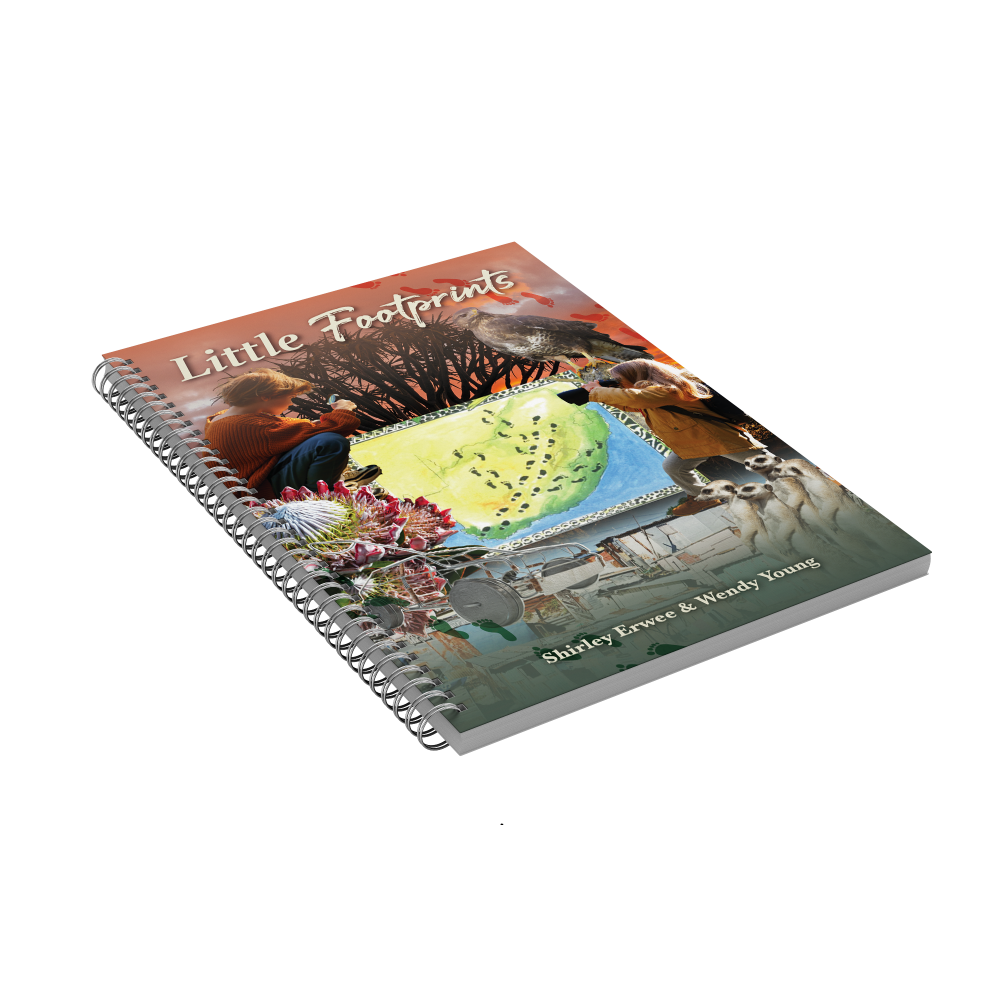
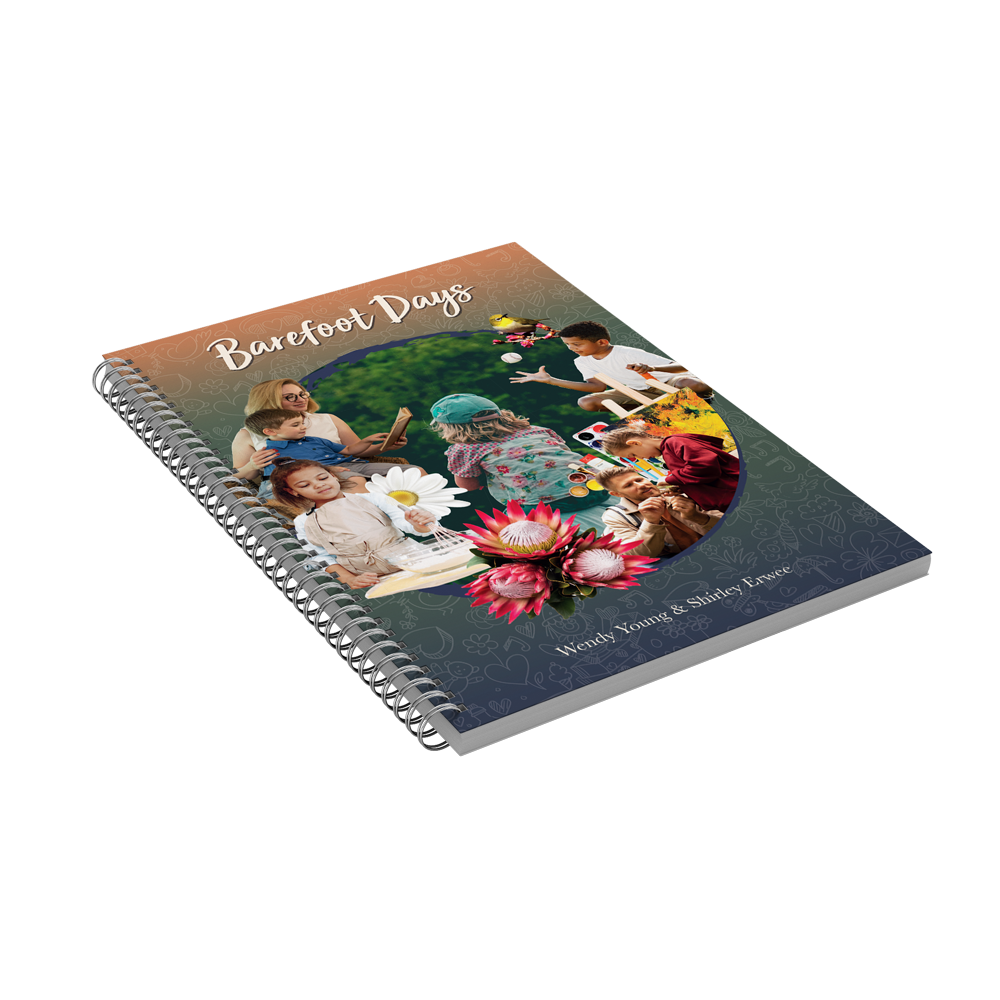
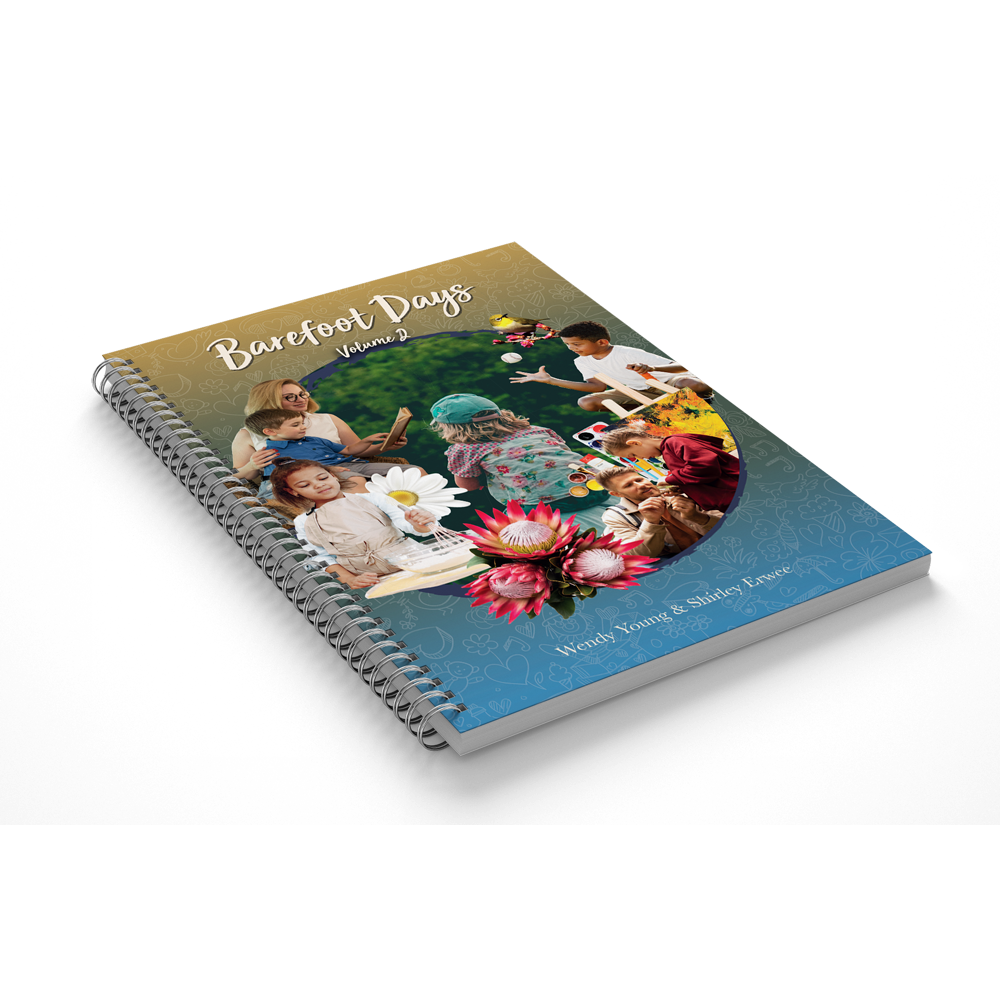
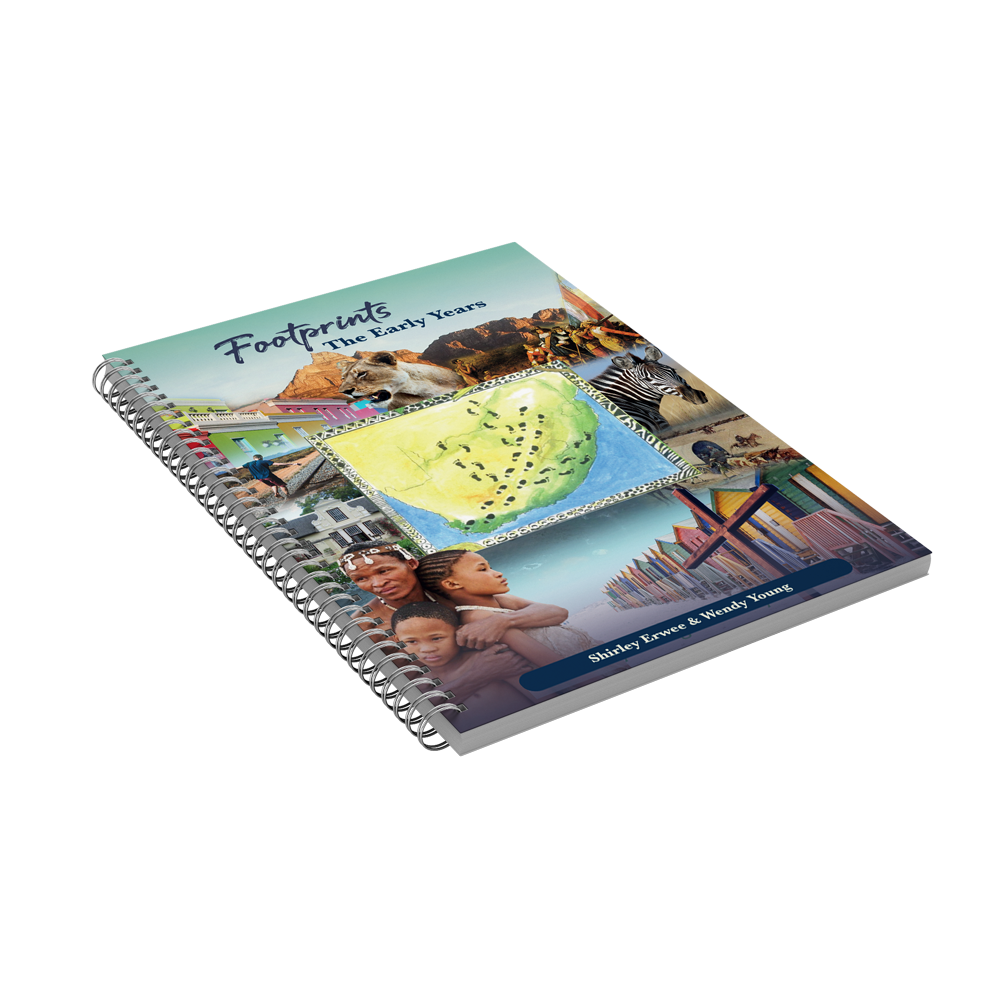
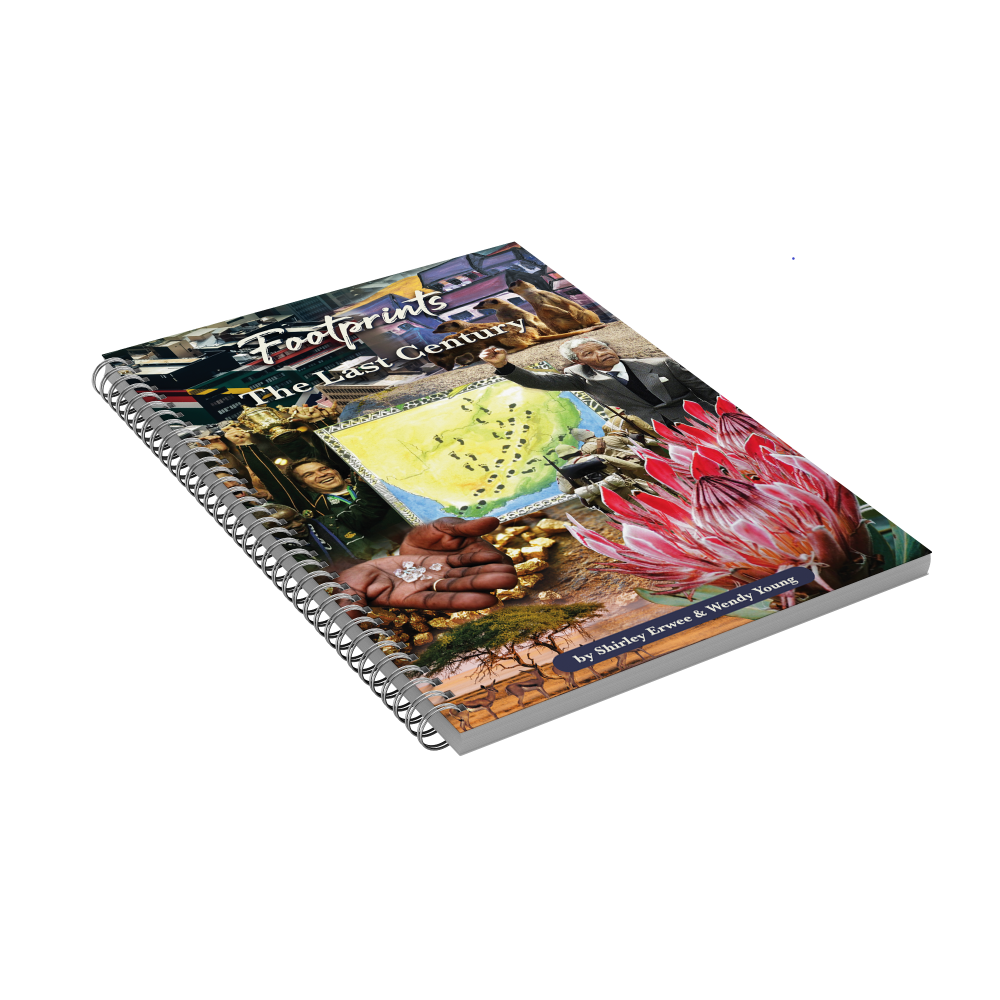
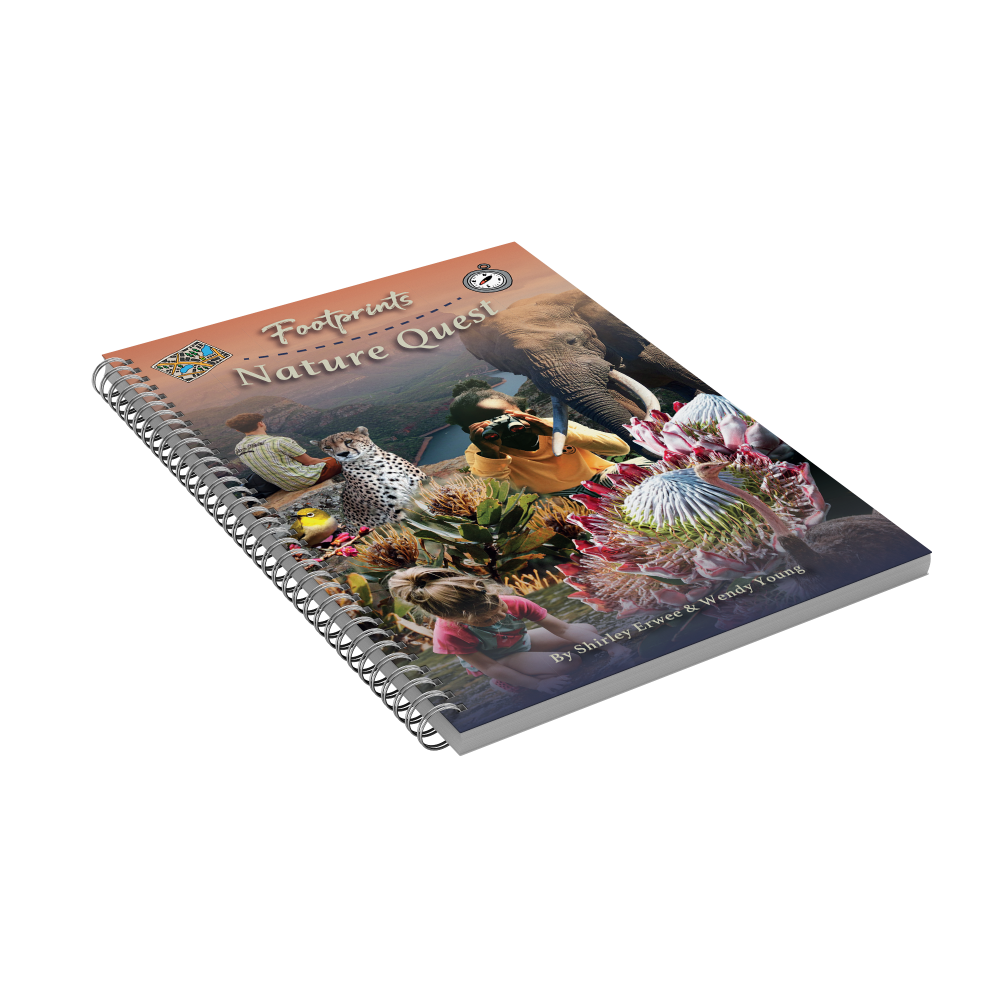
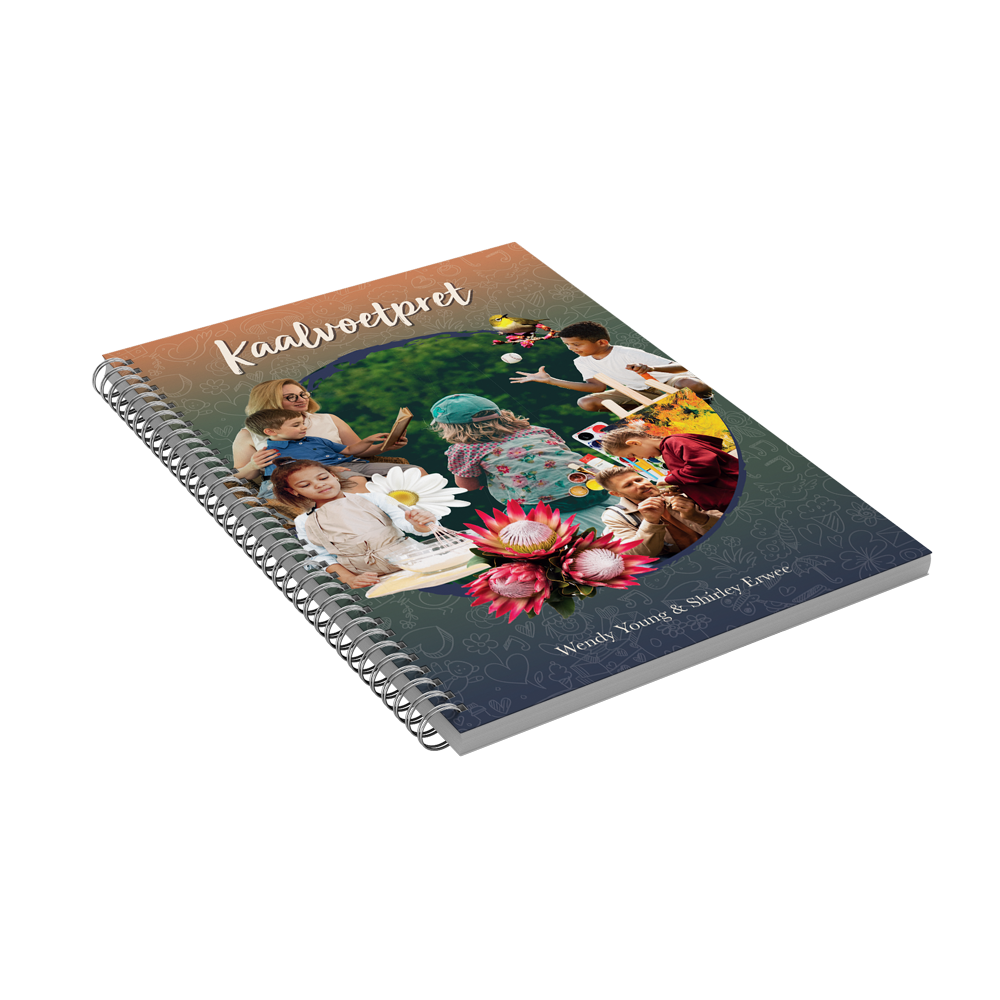
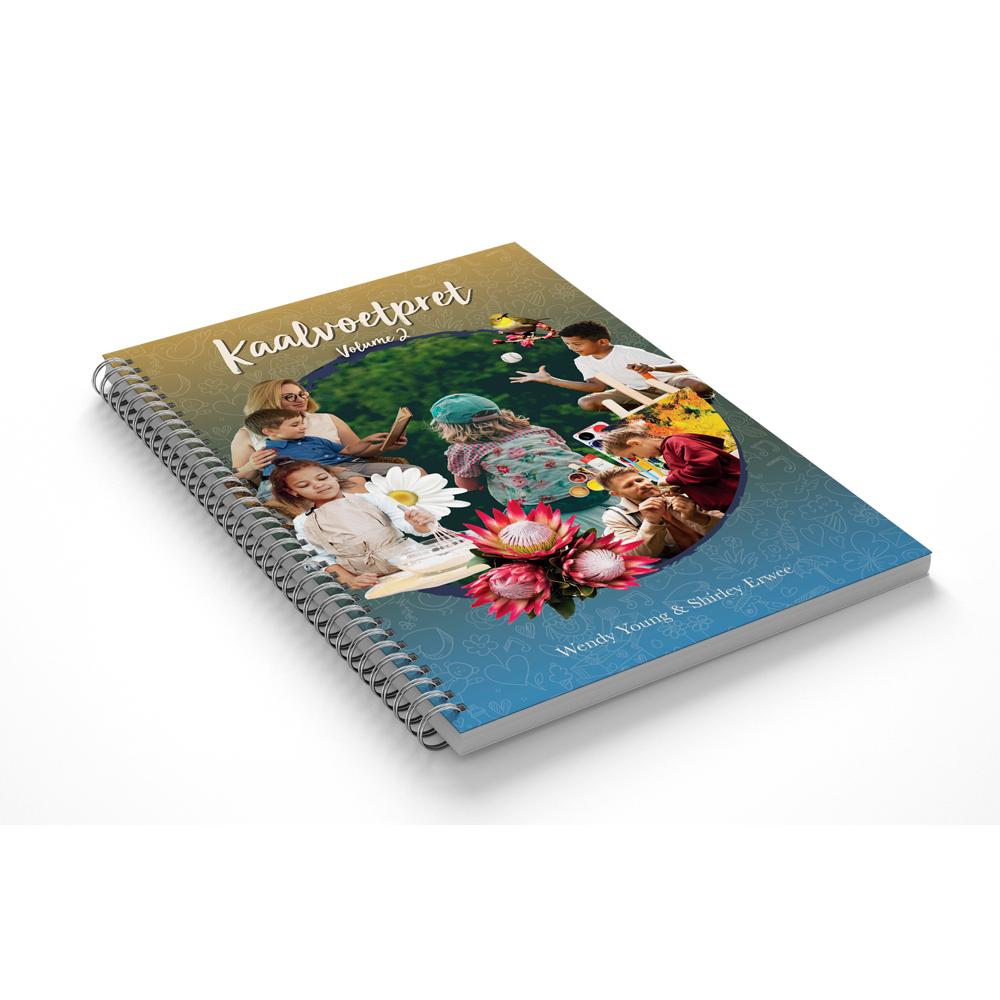
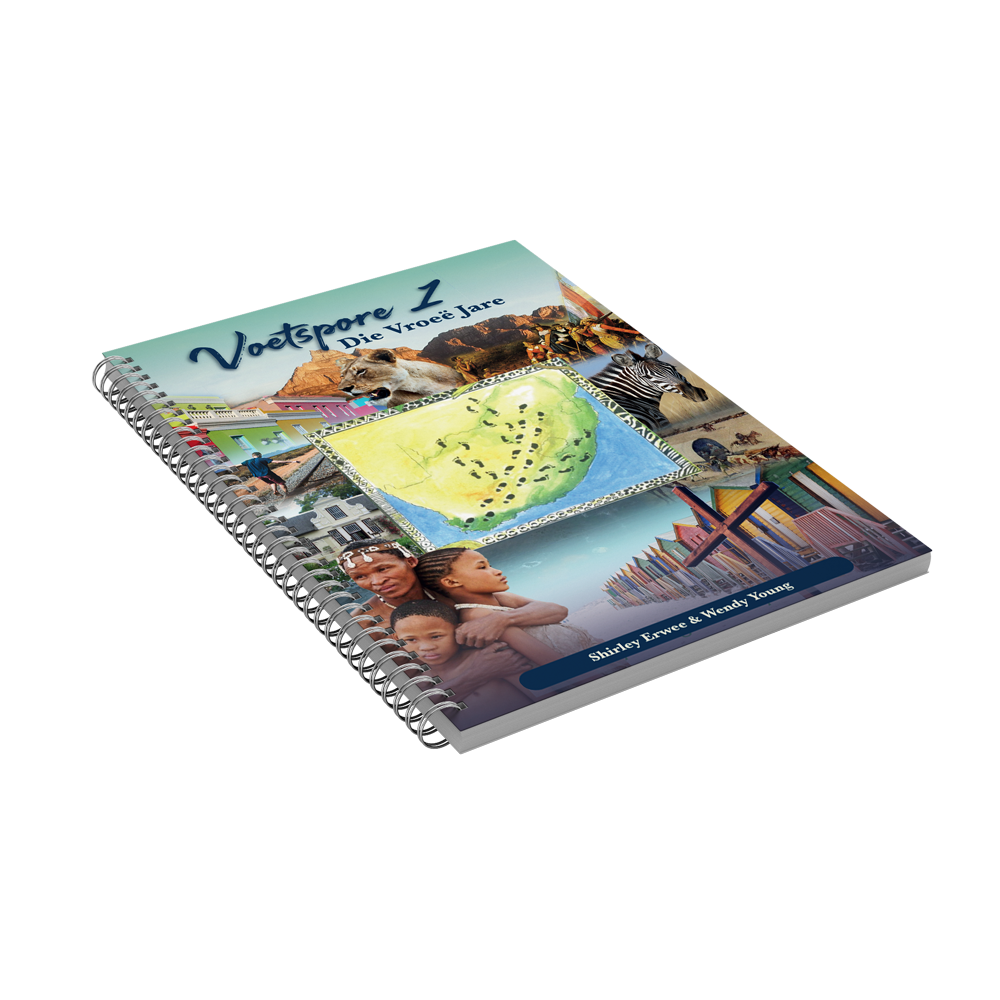
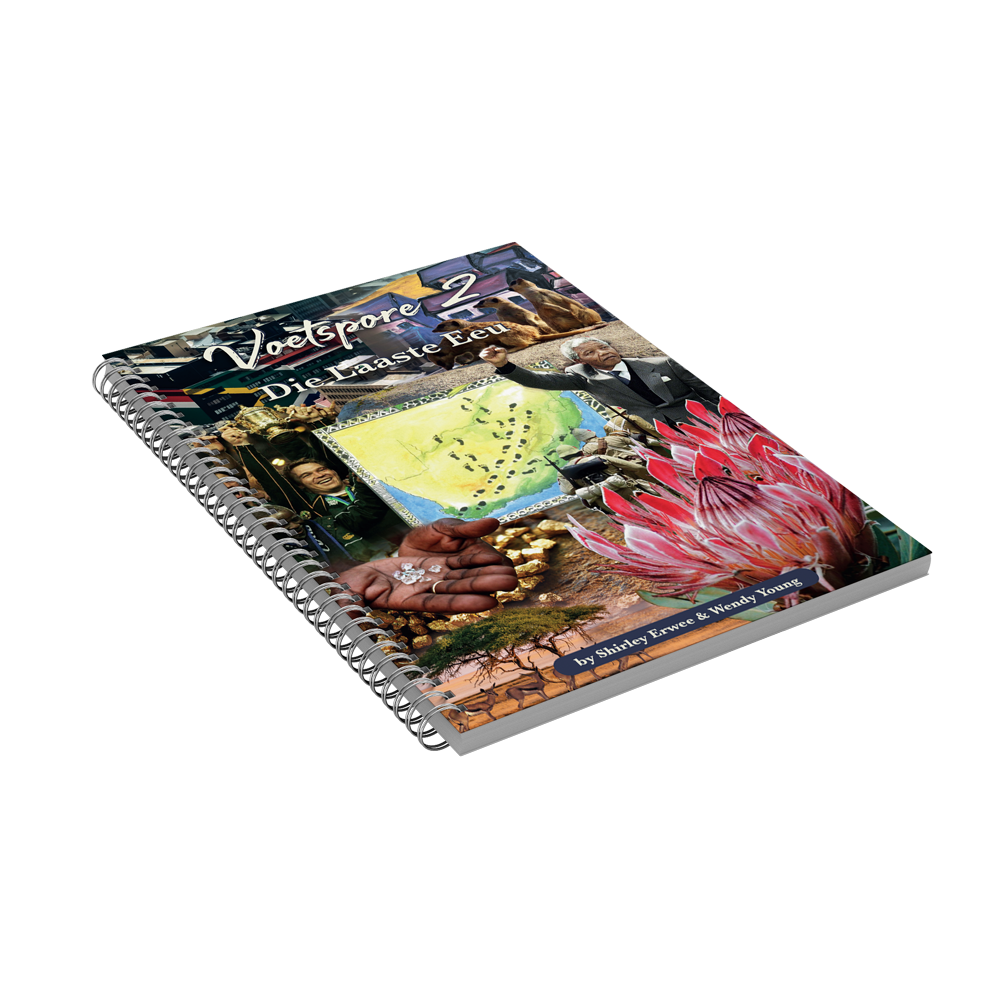
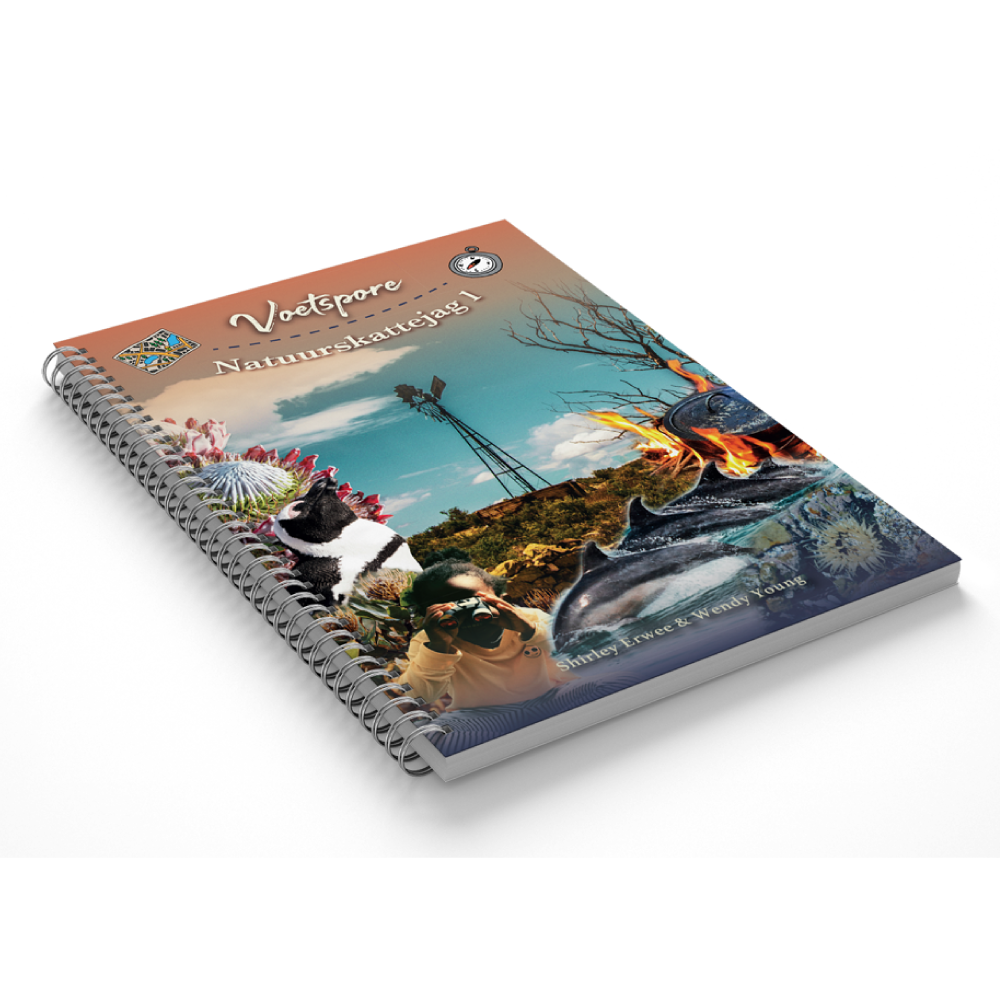
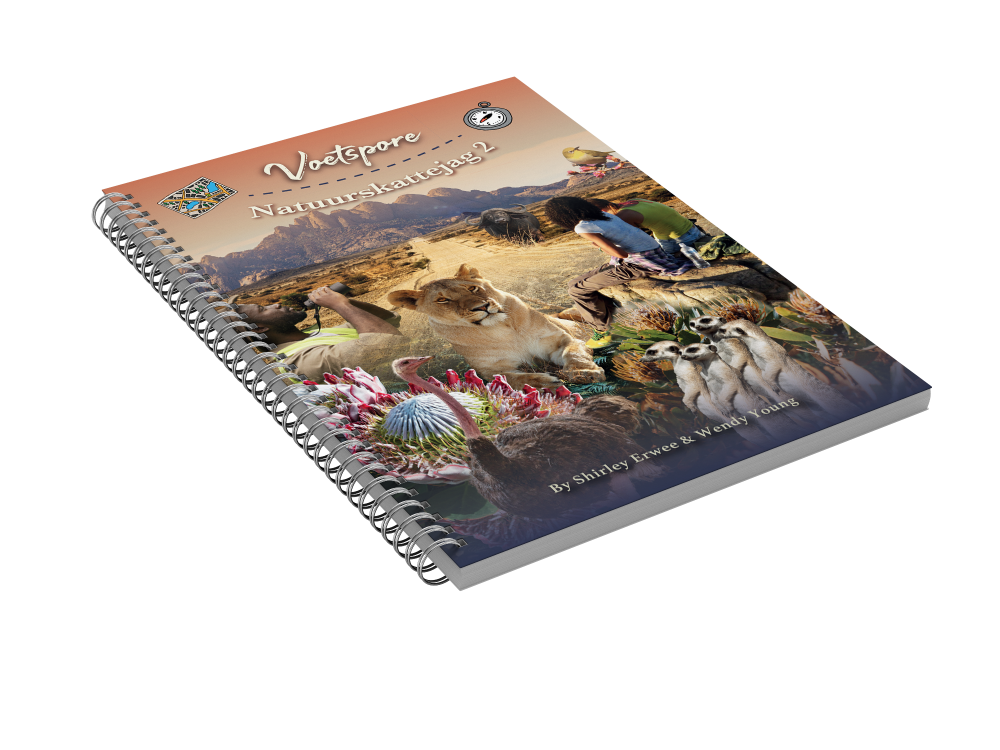
At Footprints, we celebrate this affirmation of parental choice and educational freedom. Our eclectic, story-based approach has always been built on the idea that education is not one-size-fits-all. Unlike CAPS-based online schools that rely heavily on tests, worksheets, and screen time, Footprints uses real books, meaningful conversations, nature exploration and hands-on activities to inspire deep, lasting learning.
The traditional school system—and many online programmes—teach to the test. But when you focus on test results, you often miss the bigger picture. With Footprints, we don’t just check boxes; we nurture critical thinkers, problem-solvers and compassionate young citizens.
Our families use portfolios, projects, oral narrations, journals and practical life experiences to track progress—not endless assessments. These methods provide richer insight into a child’s understanding and growth, while also keeping joy in the learning journey.
Teach the Child, Not the Curriculum
The BELA guidelines confirm what experienced homeschoolers already know: you don’t need to replicate school at home. You can teach the individual child—at their pace, in their style, and aligned with your family’s values and vision.
If you’re overwhelmed by quarterly reports, rigid systems, or screen-bound curricula, take this as your permission slip to step off that treadmill. With the right tools, guidance, and freedom, you can raise confident, capable learners without ticking quarterly boxes.
Embrace the Freedom
While the Pestalozzi Trust continues its legal opposition to the BELA Act’s home education clauses, these new guidelines are a significant win. They validate the diversity of homeschooling approaches in South Africa and protect the space for families to do what works best for their children.
So go ahead—ditch the tests, embrace the stories, follow your child’s curiosity, and let real learning unfold.
Want to know how Footprints can help your family thrive with no quarterly reports and more meaningful learning? Explore our programmes today.