
Parents who choose homeschooling in South Africa often worry whether an alternative curriculum will measure up to the expectations of the Department of Basic Education. This concern is understandable, especially when the highly questionable BELA Act requires home education to be registered. Many families want the assurance that their chosen programme covers essential content, nurtures key skills and equips their children for future study. Let’s unpack why all Footprints programmes meet and far exceed CAPS.
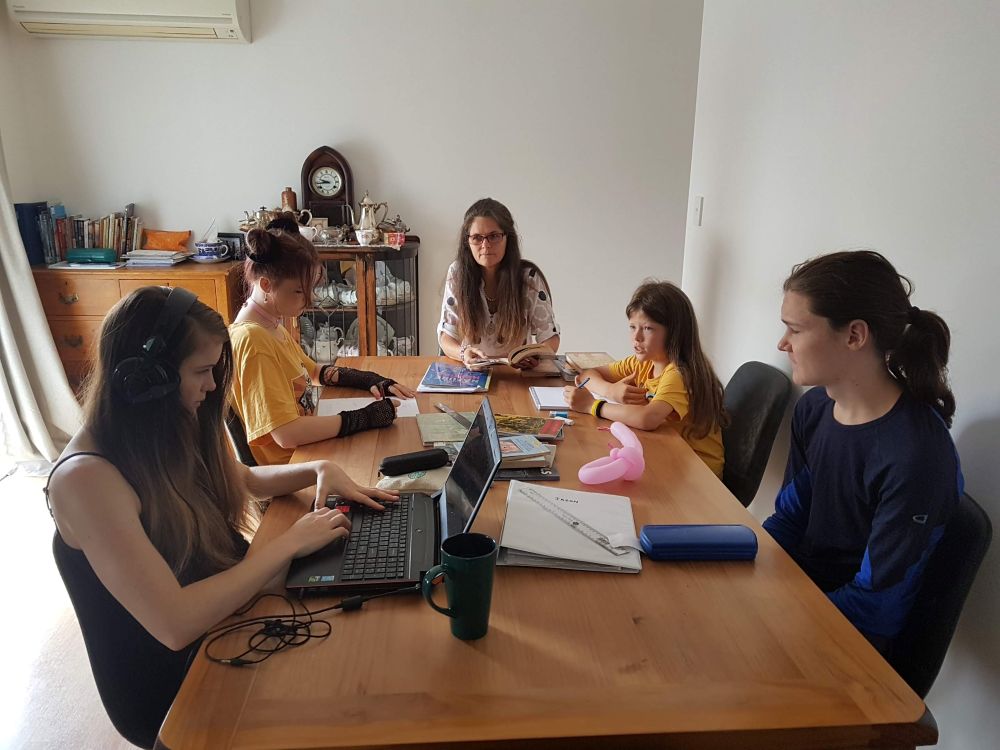
Footprints offers assurance with room to spare. Although homeschoolers who register with the DBE are not required to follow CAPS, every Footprints programme meets, aligns with and far exceeds the CAPS recommendations for Life Skills in the Foundation Phase, as well as Social Sciences in both the Intermediate and Senior Phases.
The reason is simple. Footprints draws on a richer educational tradition—one that uses living books, stories, hands-on exploration and purposeful conversations to build knowledge, empathy and understanding in ways that no textbook-driven syllabus can match.
Story-Based Learning Covers Far More Than Box-Ticking
The CAPS documents list the minimum content students should encounter. Footprints covers these areas and then goes further by placing them within captivating narratives that children remember for years. Instead of memorising isolated facts, children journey alongside real people, experience historical moments and gain a sense of place, belonging and continuity.
For Life Skills in the Foundation Phase, Barefoot Days / Kaalvoetpret and Little Footprints introduces:
- A broad and integrated understanding of community, family, environment and South African heritage
- Habit-building and practical daily responsibilities
- Early geography concepts taught through relatable stories and mapwork
- Social development rooted in character, courage and empathy
- Nature study that goes beyond a few prescribed themes and fosters deep observation and curiosity
In practice, this means young children engage more meaningfully with the concepts CAPS outlines, because they learn them in context rather than as fragmented topics.
Social Sciences: Broader, Deeper, More Connected
In the Intermediate and Senior Phases, CAPS requires the study of history and geography. Footprints (and Voetspore in Afrikaans) does this in greater breadth and depth, giving children a panoramic view of South Africa, Africa and the wider world. Because the programmes progress chronologically and thematically, children develop a strong sense of historical flow and geographical relationships—something a topic-based, year-by-year textbook approach struggles to achieve.
Our Footprints (Voetspore) and Nature Quest (Natuurskattejag) programmes cover:
- A fuller spread of South African history, geography and natural sciences, including stories and perspectives often condensed or missed entirely in CAPS materials
- World history that provides essential context for understanding South Africa’s past and present
- Geography topics introduced through real travel narratives, biographies and place-based stories
- Environmental awareness rooted not in abstract instruction but in lived experiences and field observation
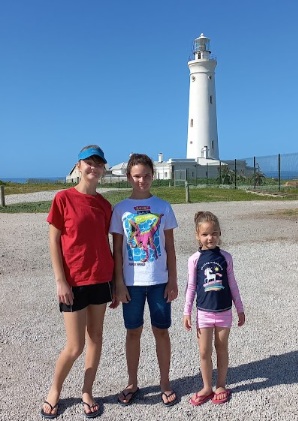
The result is not only alignment with CAPS but an expansion of the child’s worldview that gives far greater coherence and depth.
Research Confirms the Power of Literature-Rich Learning
A growing body of global research confirms what homeschoolers have experienced for decades: children who learn through rich stories develop stronger comprehension, better vocabulary, deeper cultural literacy and greater long-term academic success than children who rely primarily on worksheets and summarised textbooks.
Stories activate the imagination and place facts in a meaningful structure. They help children form emotional connections with people, places and ideas. They foster critical thinking because children are exposed to complex situations, differing viewpoints and authentic problem-solving in the lives of the characters they meet.
In other words, a literature-rich education is more than a pleasant alternative. It is a proven pathway to stronger academic outcomes.
Also read: Why Story-driven Learning is Vital in the Age of AI
A Self-Paced, Eclectic Approach That Exceeds the Standard
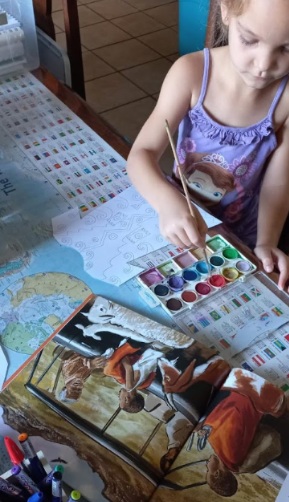
Families following Footprints do not have to recreate school at home. They enjoy the freedom to choose a pace that suits their children, to explore topics more deeply when interest sparks and to skip unnecessary repetition. Yet even with this flexibility, they can remain confident that Footprints gives their children:
- A curriculum that covers all the recommended knowledge and skills
- A wider range of themes, narratives and real-world connections
- A learning experience that builds resilience, creativity and initiative
- A foundation that sets them up for future academic success, in any pathway they choose
Homeschoolers registered with the DBE may not be obligated to follow CAPS, but Footprints ensures they can meet those expectations without compromising the richness and humanity of their children’s education.
More Than Compliance: A Stronger Educational Legacy
Parents choose homeschooling because they want more for their children—more curiosity, more connection, more joy in learning. Footprints meets the requirements, yet its true strength lies in what it offers beyond the bare minimum. It provides an education rooted in story, built on relationships and enriched by the diverse tapestry of South African life.
Footprints does not simply align with CAPS. It sets a trajectory for families that elevates the standard, is research-driven and rooted in children’s developmental needs, giving children a lifelong academic advantage and a love of learning that grows with them.
Explore the Footprints Learning Pathway
Compare Footprints Products and CAPS
For a more detailed breakdown of how each Footprints programme compare with CAPS, read these articles:
Foundation Phase (Grades R-3)
Barefoot Days/Kaalvoetpret and CAPS
Little Footprints and CAPS
Intermediate and Senior Phases (Grades 4-7 and Grades 8-9)
Footprints and CAPS
Footprints Language Arts and CAPS
General Articles about Footprints and CAPS
How CAPS Sabotages Learning—and How Footprints Restores It with Purposeful, Joyful Education
CAPS curriculum undermines deep learning through rigid pacing, content overload, and over-assessment—and Footprints offers a flexible, story-rich alternative that nurtures critical thinking, creativity, and lasting understanding. Transform learning from labour to love with Footprints.
Why Footprints is Better Than CAPS for South African Homeschoolers
When it comes to educating your children at home, the curriculum you choose can either ignite a love of learning—or snuff it out entirely. For many South African families, the default option seems to be CAPS-based online school services, simply because it’s what schools use. But as more parents discover the freedom and flexibility of homeschooling, they’re realising that school-at-home isn’t necessarily the best fit for home education.
“We Didn’t Know Learning Could Feel Like This”: Why These South African Families Ditched CAPS for Footprints
CAPS wasn’t built for homes—it was built for classrooms. Two families tell how the “pressure cooker” of CAPS nearly ruined their experience, but how Footprints brought the transformation that turned home education into a delight!
Why Footprints Is Better Than Online Schooling: One Mom’s Tears, and the Joyful Turnaround of Dozens of Families
Discover why Footprints “saves” families from CAPS-based online schooling. Read heartfelt stories from families who found joy, connection, and a love of learning after ditching the screens.