
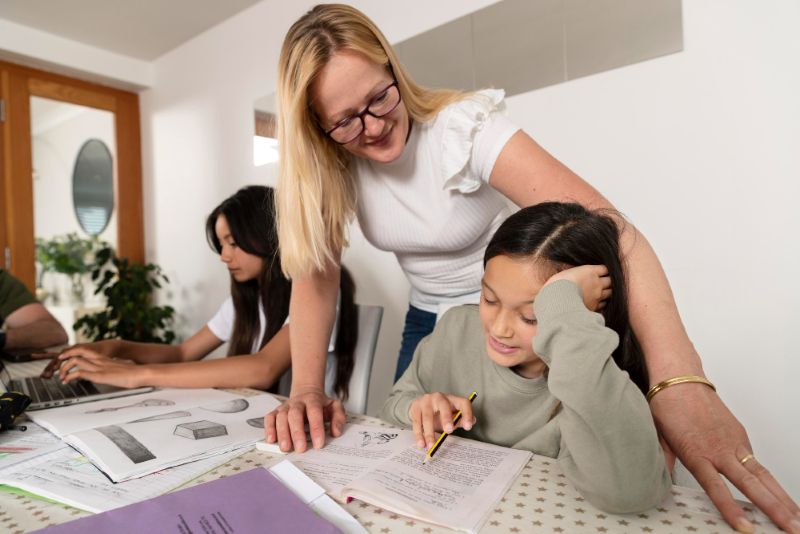
If you are thinking about taking your children out of school and starting homeschooling in South Africa, you probably have a long list of questions. You might have a bundle of worries and doubts too. As you find the answers, your confidence will grow.
Is homeschooling actually legal? Do you need to register? What curriculum should you use? How much time does homeschooling take? What about socialisation? What if you have more than one child? What if you have never taught before? And perhaps the biggest question of all: Where do you even begin?
We understand that feeling because we have been there ourselves. We are South African homeschool moms.
After decades of home education, we have observed that the hardest part of starting homeschooling is often not finding books or planning lessons. It is learning to think differently about education.
You are not simply taking your child out of a classroom and bringing the classroom into your home. Homeschooling gives you the opportunity to rethink what education can look like when learning is built around your child, your family and your particular circumstances.
This guide will help you work through the major decisions involved in starting homeschooling in South Africa, from those first thoughts about leaving school to choosing your approach, finding a curriculum and settling into your new lifestyle as a homeschooling family.
Want Help with Starting Homeschooling?
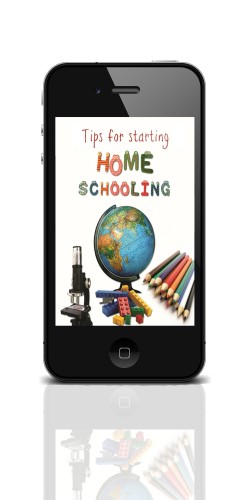
Starting homeschooling can feel overwhelming when you’re faced with questions about the law, deschooling, curriculum, homeschooling methods and simply how to organise your days.
We’ve created a free Tips for Starting Homeschooling email-course to help you work through those first decisions step by step. Over seven bite-sized lessons, we’ll help you understand the practicalities of getting started and give you the confidence to begin.
Tips for Starting Homeschooling is written to parents who want to take their children out of school and start homeschooling in South Africa, but it will also benefit anyone in the following situations:
- Parents who want to change homeschool curriculum
- Parents who want to investigate homeschooling before their children reach school going age
- Parents who have been homeschooling for a while and are finding themselves directionless or burnt out
- Educators who would to understand more about homeschooling in South Africa.
Sign up now and you will receive an email bringing you a link to the next part of the course every 2 days for two weeks, so that you can enjoy it in bite-size pieces!
Starting Homeschooling? Just Take the First Step
One of the biggest mistakes new homeschoolers make is trying to solve everything on the first day.
They start searching for curriculum, looking at what other families are doing, worrying about matric, researching registration and buying books before they have even stopped to think about what they actually want their children’s education to look like.
Take a breath.
You don’t have to have your entire homeschooling journey planned before you begin.
In fact, one of the great advantages of homeschooling is that you learn as you go.
Your first year will teach you things you cannot learn from a curriculum website. You will discover how your children learn, what interests them, what frustrates them, how much structure your family needs and which parts of your original plan need to change.
Start by getting the big decisions right. The smaller details can follow.
1. Reasons to Start Homeschooling: Find your “Why”
Before you buy a single curriculum, ask yourself:
Why are we considering homeschooling?
Perhaps your child is struggling at school. Perhaps you are unhappy with the academic pressure, the pace, the social environment or the values being communicated. Perhaps your child has particular interests or special needs that are not being accommodated. Perhaps you simply want more time together as a family and greater freedom over your children’s education.
Your reasons for homeschooling matter because they will influence the choices you make later.
If you are bringing a child home because school has damaged his or her confidence, for example, recreating the same pressure and workload at home is unlikely to solve the underlying problem.
If you are looking for a richer education, buying the most expensive version of school-at-home may not give you what you are looking for either.
Spend some time thinking about what you want more of in your family’s life and what you want less of.
You may find our discussion of the Reasons to Homeschool helpful as you think this through.
2. Learn How to Homeschool in South Africa
Before making decisions about curriculum or registration, familiarise yourself with the South African homeschooling landscape.
Home education is legal in South Africa, but there are legal questions around registration and your rights and responsibilities as a home educator that you should understand for yourself rather than relying on hearsay from a school, another parent or a social-media group.
Our Homeschooling FAQs answer many of the questions new homeschoolers ask, including questions about the law, registration, curriculum, costs, assessment, socialisation and future educational options.
We also have a dedicated section covering Homeschooling and the Law, including information about registration and other legal issues.
Should you register your child for homeschooling?
This is one of the first questions South African parents ask, and it is also one of the areas where you are likely to hear conflicting opinions.
Don’t make your decision because somebody on Facebook told you that you “have to” register, or because another homeschooler told you that you “must never” register.
Understand the legal position and the implications of the different choices, then make an informed decision for your own family.
You can start with our detailed guide: Must You Register for Homeschooling?, as well as The Pros and Cons of Registration.
3. Deschooling: From School to Home Education
This is one of the pieces of advice we most wish every new homeschooler understood.
Taking a child out of school does not mean you have to start formal lessons on Monday morning.
If your child has spent years sitting in classrooms, working to bells, completing worksheets, being graded, competing with classmates and being told what to learn and when to learn it, both you and your child may need time to adjust.
This is where deschooling can be valuable.
Deschooling is a period of stepping back from formal academics while your family gets used to a different way of learning. It gives children time to recover from the pressures of school and gives parents time to reconsider some of the assumptions about education that we have absorbed from our own school years.

We have a whole article explaining Deschooling: What to Do When You First Start Homeschooling.
The important thing to understand is that deschooling does not mean doing nothing.
Read aloud. Visit the library. Go for walks. Cook together. Build things. Play games. Work in the garden. Talk. Let children pursue interests. Give them opportunities to become curious again.
While deschooling, you are actually already homeschooling. You are simply learning what learning looks like outside school.
4. Get the School out of your Head
This mindshift may be the biggest challenge of all. Many parents begin homeschooling with the best intentions but continue to picture education through the lens of their own school experience.
They imagine a classroom at home:
- a timetable
- textbooks for every subject
- worksheets
- tests
- marks
- grades
- a teacher standing at the front
- a prescribed amount of work every day
It is understandable. That is what education looked like when most of us were children.
However, homeschooling does not have to be school at home.
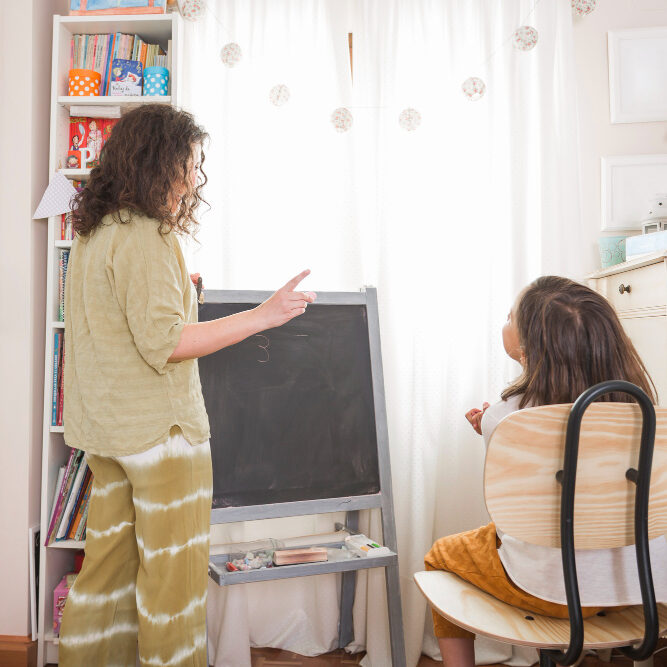
You can change the pace, the environment, the materials and even the way learning happens. Children can learn through conversation, stories, practical work, books, nature, projects, hobbies, games, observation, exploration and real-life experiences.
Our article on School-at-Home vs Eclectic Homeschooling explores this difference in more detail.
5. Choosing a Homeschooling Approach
There is no single way to homeschool.
Most new families want a very structured approach with a clearly defined curriculum. As they get more experience, families prefer a relaxed, child-led approach. Many families fall somewhere in between.
You will encounter terms such as Charlotte Mason homeschooling, classical education, unit studies, eclectic homeschooling, unschooling and online schooling and many others.
Don’t feel that you have to choose a label immediately. Instead, learn what these approaches actually mean and ask which ideas make sense for your children and your family.
We have found that an eclectic approach (mix-and-match approach) can be particularly helpful because it allows parents to choose good resources from different educational approaches rather than feeling obliged to follow one philosophy from beginning to end.
You can read more about Eclectic Homeschooling and why we believe tailor-made education can work so well at home.
You may also want to explore the Charlotte Mason Approach, particularly if you are drawn to living books, narration, nature study, short lessons and the idea that a high quality education is much more than completing a syllabus.
6. Choose Your Homeschool Curriculum Carefully
This is where many new homeschoolers jump too quickly.
There are hundreds of homeschool curriculum options available and it is very easy to become overwhelmed by beautiful websites, glowing testimonials, curriculum photographs and enthusiastic recommendations from other parents.
Remember that the curriculum that works beautifully for another family may be completely wrong for yours.
Before buying anything, consider:
- How old are your children?
- What are their interests and strengths?
- What are their particular challenges?
- How much time do you have available?
- How much time do you want on screens?
- Do you want a structured or flexible programme?
- Do you want to teach several children together?
- Do you want textbooks or literature-based learning?
- How much preparation are you willing to do?
- Does the curriculum fit your family’s values?
- Does it reflect the South African context?
- Does it leave room for your children to develop their own interests?
Our detailed guide to Choosing a Homeschool Curriculum will help you think through these questions before you spend your money.
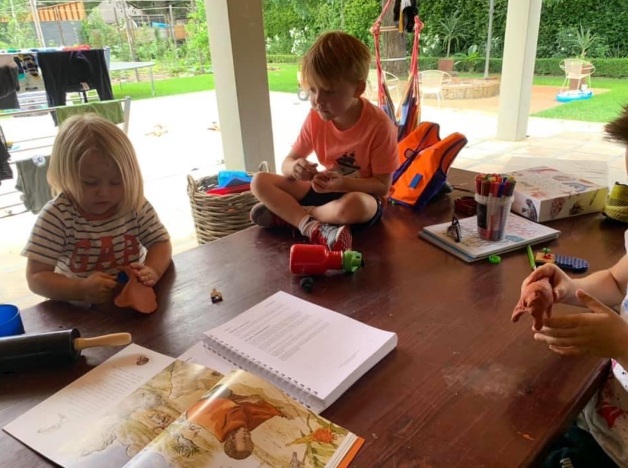
Don’t assume that more curriculum means more education
A shelf full of workbooks does not necessarily represent a rich education. Sometimes the opposite is true.
One of the reasons we created Footprints was because we wanted children to encounter stories, people, places and ideas, rather than simply moving through pages of exercises.
Learning should not be reduced to how many lessons a child has completed.
7. Look for Living Books and Real Stories

One of the things that can make homeschooling such a joy is the freedom to choose how your children encounter knowledge.
Instead of presenting history as a list of bullet points and dates, you can walk a mile in the shoes of someone who lived it.
Instead of learning geography only from a map, you can armchair travel through stories.
Instead of reducing science to definitions, you can explore the natural world around you.
This is one reason literature-based learning is such an important part of Footprints. We want children to remember what they learn because they have encountered it through a story, an idea or an experience rather than simply having memorised information for a test.
If you are new to the idea of living books, read What Is a Living Book? and discover why Literature-Based Learning can transform the way children experience education.
8. Don’t Forget You are Teaching Children, not Subjects
When you start homeschooling, it is very easy to become obsessed with subjects.
- Have we done Maths?
- Have we done English?
- Have we finished Science?
- Have we covered enough History?
Those things matter, but a wholesome education involves much more than a list of subjects.
Your children are also learning how to work, how to persevere when something is difficult, how to communicate, how to solve problems, how to care for other people, how to manage their time, how to take responsibility and how to pursue something simply because they are curious about it.
Some of the most valuable learning is not found within the pages of school books.
A child who learns to do chores with excellence, cook a meal, repair a bicycle, grow vegetables, care for an animal, write a story, build something or persevere with a difficult skill is learning things that will remain useful long after a forgotten worksheet has disappeared into the recycling bin. We are Raising Men and Women of Good Character
9. Multi-Level Homeschooling: Teaching Multiple Ages Together
One of the biggest practical advantages of homeschooling is the ability to teach siblings together. You don’t necessarily need a separate curriculum, timetable and teacher for every child.
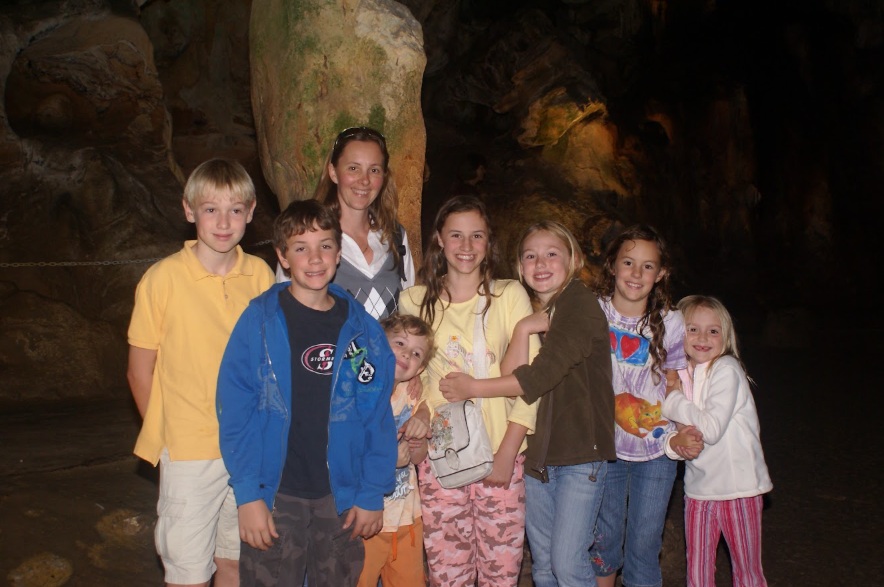
History, geography, literature, nature study, art, music and many other areas can often be shared across ages, with each child responding at his or her own level. Younger children may draw or narrate what they have heard while older children write, research or discuss the same subject in greater depth.
This is one of the reasons Homeschooling Multiple Ages can be so much more manageable than new homeschoolers initially expect.
It can also make homeschooling feel much less like running several miniature classrooms.
10. Create a Daily Rhythm not a School Timetable
New homeschoolers often ask us how many hours they should homeschool each day.
The answer is that home education does not need to look like a school day.
You may have formal lessons in the morning and spend the afternoon outdoors. Another family may work differently. Your routine may change as your children grow or as your family’s circumstances change.
Start with the essentials and build a rhythm that works. You might have a regular time for reading aloud, Maths and language work, followed by time outdoors, practical work or independent interests.
The important thing is not to fill every available hour with schoolwork. Expect interruptions and variations and build in flexibility. We recommend planning formal lessons for four days a week and a light day on Fridays.
One of the gifts of homeschooling is that children have time to read, think, explore, practise skills, pursue interests and simply be children.
11. Focus on Character Training and Relationships
Homeschooling is not just an educational arrangement. It changes family life.
You will spend a great deal more time with your children, which can be wonderful, but it also means that you will have to learn how to work together. You’ll have to train your children to resolve sibling conflicts, show honour and respect to other family members and work on their character weaknesses. This is The Heart Work of Parenting.
There will be good days and difficult days.
You may discover things about your children that you never saw while they were at school. You may also discover things about yourself that you did not expect.
Don’t underestimate the importance of your relationship with your children and their relationships with each other. This is one of The Hidden Blessings of Homeschooling
Education happens much more naturally when there is trust, conversation and genuine interest in one another.
12. What about Socialisation?
This is probably one of the first questions relatives and friends will ask: “What about socialisation?”
Homeschooling does not mean keeping children at home and away from other people.
In fact, one of the advantages of home education is that children can interact with people of many different ages rather than spending most of their waking hours surrounded by children born within twelve months of themselves.
Homeschooling families participate in sports, music, church activities, clubs, community projects, homeschool groups, outings, competitions, camps and countless other activities.
The answer is not to recreate a school playground.
The answer is to build a real multi-aged community around your family.
13. Don’t Worry about Teaching Every Subject Yourself
Another common fear is: “I’m not qualified to teach!”
You don’t have to know everything your child will ever need to know. Homeschooling gives you the opportunity to become the person who helps your child find answers.
You can use books, curriculum, libraries, online resources, tutors, specialists, other families and community resources.
You can learn alongside your children.
One of the most important qualities you can bring to homeschooling is not knowing all the answers. It is being willing to say: “I don’t know. Let’s find out.”
That attitude teaches children something far more valuable than having a parent who always has an answer ready.
14. What does Homeschooling Cost?
Homeschooling can be expensive or inexpensive depending on the choices you make. We believe that whatever you spend should be viewed as an investment into your children’s education.
If you always avoid spending money, your children might interpret that to mean that they and their education are not worth spending money on. Choose wisely.
You can spend a great deal of money buying separate curriculum packages for every child and every subject or you can make careful use of libraries, non-consumable products, free resources and shared studies.
There is no single “correct” homeschooling budget.
The important thing is to work out what your family actually needs rather than assuming that the most expensive curriculum will provide the best education or that the cheapest is a win.
You can find more practical answers to questions about homeschooling costs and other common questions in our Homeschooling FAQs.
15. Change Course When Needed
Your first curriculum choice does not have to be your last. Your first Homeschool Daily Schedule does not have to last the year. Your first educational philosophy may change as you learn more.
Your child will change and mature and your family dynamics may change too. What worked beautifully when your child was six may be completely unsuitable when she is twelve.
One of the great freedoms of homeschooling is that you can adjust. If something isn’t working, don’t spend six months trying to force it to work simply because you paid for it.
Stop. Reassess. Ask questions. Change direction.
Homeschooling is not about getting everything right from the beginning. It is about paying attention to your children and being willing to respond to what you discover.
16. Don’t Compare Your Homeschool to Another
This is easier said than done.
You will see photographs of beautiful homeschool rooms, carefully organised shelves, colour-coded timetables, impressive science experiments and children who seem to be doing far more than yours.
Remember that you are seeing a photograph, not a family. You are probably seeing a good day, not one of the not-so-good days that we all have sometimes!
Your children are not the same as somebody else’s children, your circumstances are not the same and your educational goals may not even be the same. Homeschooling is meant to be individualised, often spontaneous and sometimes even disorderly. Sometimes it is noticeably lacking on paper and yet highly effective in real life learning!
The purpose of homeschooling is not to win a competition with other homeschoolers.
It is to give your children the education that is right for them.
Starting Homeschooling: The Basics
If all of this feels like a lot to take in, reduce it to these basic steps:
1. Understand why you want to homeschool.
2. Learn about the South African legal requirements.
3. If your children are leaving school, consider deschooling.
4. Rethink what education can look like outside a classroom.
5. Explore different homeschooling approaches.
6. Choose your curriculum carefully.
7. Start simply and establish a family rhythm.
8. Give yourself time to learn what works for your children.
9. Adjust when something isn’t working.
10. Enjoy your children.
That last one matters more than you might think.
You don’t have to turn your home into a school in order to give your children a good education.

Still Have Questions about Starting Homeschooling?
You probably do. Most new homeschoolers do.
Our Homeschooling FAQs are designed to answer the practical questions that arise when you are considering home education, including questions about registration, curriculum, costs, assessment, socialisation, working while homeschooling and future education options.
You can also explore our article about Homeschooling Research if you want to dig deeper into the evidence and research behind home education.
If you are trying to decide what kind of curriculum or educational approach will suit your family, start with Choosing a Homeschool Curriculum.
Want Someone to Walk You Through the Process?
We created our Tips for Starting Homeschooling e-course because we know how overwhelming those first decisions can feel but you can also book an online Homeschool Consulation to get personal guidance for your specific family scenario.
The course takes you through the key issues involved in starting homeschooling in South Africa, including the practicalities of getting organised, shifting your mindset, choosing curriculum and looking after yourself as a homeschooling mother.
It is delivered in seven bite-sized parts, with an email arriving every two days over two weeks, so you can work through the information without having to sit down and read everything at once.
Sign up for the free Tips for Starting Homeschooling e-course and let us walk you through the process step by step.
We’ve Been in Your Shoes

Between us, we have decades of experience of home education, including raising and educating our own large families, researching curriculum, experimenting with different approaches and helping South African families work out what will suit their own children.
We know what it is like to start with questions.
We also know that you do not need to have all the answers before you begin.
The beauty of homeschooling is that you model learning-on-the-go to your children.
You can change direction if you need to. If you discover that something doesn’t work, you can find something that does.
Most importantly, you can begin to see education not as a race to get through a prescribed amount of work, but as the gradual process of helping your children become capable, curious, thoughtful and well-equipped people.
That is where the real adventure of homeschooling begins.
Where to Go Next
If you are ready to continue, these are some of the most useful places to go from here:
- New to homeschooling? Start with our Homeschooling FAQs.
- Need to understand the law? Read our Homeschooling and the Law.
- Wondering whether you need to register? Read Must You Register for Homeschooling?.
- Taking your child out of school? Read our guide to Deschooling.
- Wondering whether homeschooling has to look like school? Read School-at-Home vs Eclectic Homeschooling.
- Trying to choose a curriculum? Start with Choosing a Homeschool Curriculum.
- Interested in a literature-rich approach? Explore Literature-Based Learning.
- Want to understand Charlotte Mason homeschooling? Read The Charlotte Mason Approach.
- Have several children to homeschool? Read Homeschooling Multiple Ages.
- Worried about burning out? Explore our advice on Preventing Homeschool Burnout.
You don’t have to read all of these before you start.
Choose the one that answers the question you are asking right now, and take the next step from there.